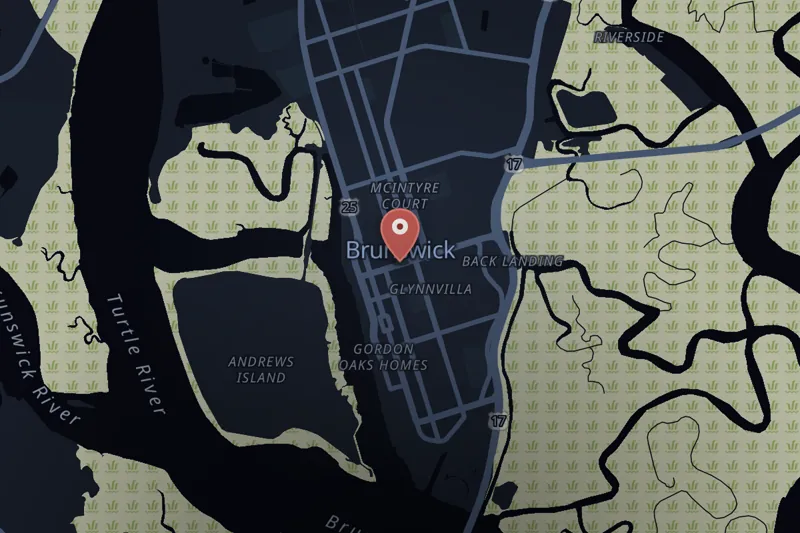
Background
In the summer of 1921, James Harvey and Joe Jordan, two African-American men, traveled through the Deep South and stopped in Wayne County, Georgia, to perform agricultural work. After a dispute with their white employer over unpaid wages, the employer's wife accused the two men of assaulting and raping her. Three days later, Harvey and Jordan were transferred to a jail in Savannah and tried in absentia in Wayne County, where they were convicted and sentenced to death. Their court-appointed counsel made no effort to gather evidence or testimony on their behalf.
Harvey's uncle wrote to the national office of the NAACP, which asked its Savannah branch to investigate. The NAACP hired a white Jesup attorney, James A. Harolds, to represent Harvey and Jordan and to seek a retrial on the grounds that their constitutional rights had been violated, including denial of the ability to call witnesses or participate in jury selection. The Supreme Court of Georgia upheld the conviction despite a stay of execution, and the men were set to be executed on May 15, 1922. After white women in Wayne County petitioned for a new trial citing new evidence, another stay was issued, but the petition was ultimately rejected by the local judge, resetting the execution for June 30, 1922. Defense efforts turned to Georgia Governor Thomas W. Hardwick, who granted a 30-day reprieve on June 30. The Wayne County sheriff reportedly responded to the governor's order with dismay.
Lynching and aftermath
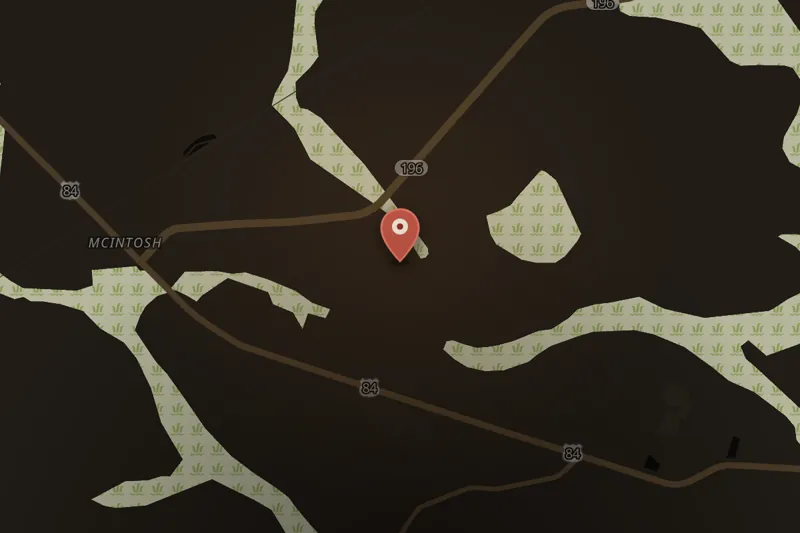
On July 1, 1922, one day after the reprieve, Harvey and Jordan were being transported by a deputy sheriff from Jesup to the Savannah jail when a mob of approximately 50 men seized them in Liberty County and hanged them near a roadside. Governor Hardwick pledged a reward for the capture of those responsible and directed the state solicitor general to bring the matter before a grand jury.
The NAACP's Savannah branch investigated the killings, visiting the scene, interviewing witnesses, and gathering evidence, with financial support from the Commission on Interracial Cooperation. The organization also arranged for Harvey and Jordan to receive a proper burial. According to multiple witnesses interviewed by the NAACP, the two police officers escorting the men had waited at the lynching site for several hours before the mob arrived, indicating their complicity. The killings drew condemnation from both Black residents and some prominent white citizens, as it was reportedly the first lynching in coastal Georgia in over two decades. A local Methodist minister in Liberty County publicly condemned the lynching and circulated a letter alleging complicity by Wayne County officials.
On September 20, 1922, a Liberty County grand jury indicted the Wayne County deputy sheriff, the city marshal, the marshal's brother, and two Liberty County residents in connection with the lynching. In total, 22 men were indicted for the killings. On February 23, 1923, five defendants — including Chief of Police I.W. Rhoden — were acquitted.

 SOLVEDListen