
Unsolved case
Lynching of Owen Flemming
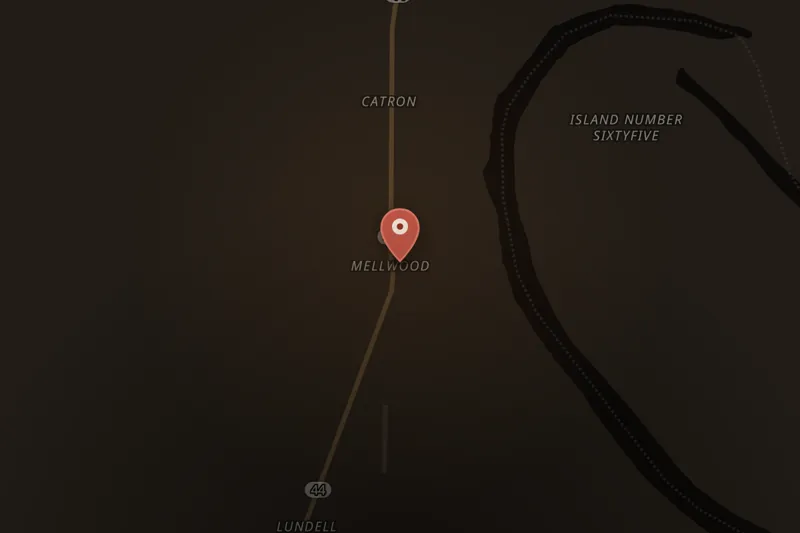
Owen Flemming, an African-American man forced to labor on levee reconstruction after the Great Mississippi Flood of 1927, was lynched by a mob of roughly 500 people near Mellwood, Arkansas, on June 8, 1927, after a fatal confrontation with a white plantation overseer who had ordered him to work.
Background
In the aftermath of the Great Mississippi Flood of 1927, white officials in Arkansas forcibly conscripted Black citizens — including businessmen, doctors, and preachers — to perform rescue work and strengthen levees, often at gunpoint. According to the Pittsburgh Courier, a national African-American weekly newspaper, Black laborers were coerced to work without food and were frequently not allowed to change into appropriate workwear, while white citizens were excluded from this labor. The Courier reported that some white men "volunteered to go down and help force the Negroes to work with the aid of a shot gun." In Helena, Arkansas, white police officers reportedly entered a Black church during a service and forced the male congregants to work on the levees.
Owen Flemming, about whom little else is documented, was among those forced to labor. Researcher Nancy Snell Griffith, writing in the Encyclopedia of Arkansas, noted that contemporary articles variously described Flemming as "a prominent black man." The Courier called him a "well-to-do race man" of Helena, while the Arkansas Gazette quoted officials at the Barton refugee camp describing him as "a bad negro, continually shirking work." Flemming was made to work near Mellwood, Arkansas, an unincorporated community about 35 miles from Helena.
The killing of Roy Waters and the lynching
Accounts of the precipitating events differ. The Courier reported that Flemming, already forced to work on the levee, was ordered by plantation overseer Roy Waters to retrieve mules from a flooded area. Flemming refused and killed Waters. He was then captured but not arrested; the Courier reported that Helena Sheriff J. D. Mays, when called by the plantation owner, responded, "I'm busy. Just go ahead and lynch him." Flemming was reportedly handed over to a mob of about 500 people.
The Arkansas Gazette offered a different account, stating that Waters sent someone to summon Flemming from a boxcar to the work site; when Flemming refused, Waters went to him personally. The Gazette reported that Flemming shot Waters with a shotgun and then twice more with Waters's own pistol, though an alternate version in the same account suggests Flemming wrestled the pistol from Waters and shot him in self-defense. Flemming then fled and hid in a tent before being surrounded by a posse of approximately 500 people and shot. The Helena newspaper reported that Flemming's wife and baby were brought to the scene before the posse fired into his body.
Flemming was killed on June 8, 1927, near Mellwood, Arkansas.
Key facts
- Victims
- Owen Flemming, Roy Waters
- Date
- 1927
- Location
- Near Mellwood, Arkansas
- Case status
- unsolved
Case timeline
1927-06-08
Owen Flemming is killed by a mob of approximately 500 people near Mellwood, Arkansas, following a fatal confrontation with plantation overseer Roy Waters.
Best coverage
No coverage has been attached to this file yet.
People
Owen Flemming
VICTIMAfrican-American man forced to perform levee labor after the 1927 Mississippi flood; killed by a mob near Mellwood, Arkansas, on June 8, 1927.
Roy Waters
VICTIMPlantation overseer who was shot and killed by Owen Flemming after ordering him to retrieve mules from a flooded area; accounts differ on whether the killing was in self-defense.
Roles reflect public records and court outcomes at the time of writing — supporting citations are on file under Sources.
Places
Common questions
- What happened to the victim?
- Owen Flemming, an African-American man forced to labor on levee reconstruction after the Great Mississippi Flood of 1927, was lynched by a mob of roughly 500 people near Mellwood, Arkansas, on June 8, 1927, after a fatal confrontation with a white plantation overseer who had ordered him to work.
- Where did the crime happen?
- Near Mellwood, Arkansas.
- What is the current status of the case?
- Status: unsolved. Last verified July 2026.
Related cases
View all cases
Elaine massacre
Elaine and Hoop Spur, Phillips County, Arkansas

Killing of Emmett Till
Money, Leflore County, Mississippi
2023 Arkabutla shootings
Arkabutla, Mississippi, United States

Rosewood Massacre
Rosewood, Levy County, Florida, United States

Duluth lynchings
1st Street and 2nd Avenue East, Duluth, Minnesota

Lynching of Norris Dendy
Clinton, South Carolina, United States
Sources
- ENCYCLOPEDICLynching of Owen FlemmingWikipedia · 2026-07-07
- PRESSContemporaneous coverage — encyclopediaofarkansas.netencyclopediaofarkansas.net · 2026-07-07
Record history
- First published
- JUL 07, 2026
- Last verified against sources
- JUL 07, 2026
When a file you follow changes — a new development, a correction, fresh coverage — the Dispatch is how you hear about it.
The Casepin Dispatch
A calm weekly briefing from the archive — one case worth understanding, meaningful updates to files you follow, and the best new coverage. You’ll also get the one-time note when the apps land. No gore, no rumor, no drip.