

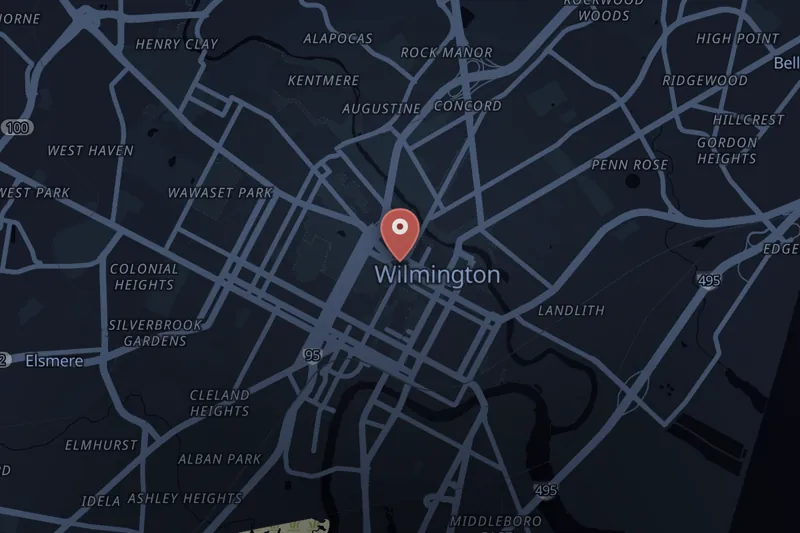
 ONGOINGListen
Brandywine River, Wilmington, Delaware · 2010s
Killing of Susan Ledyard
Teacher Susan Ledyard died from blunt-force trauma and drowning in Wilmington in 2019, and her homicide remains under investigation.
1 thing to watch or hear
Solved case · 1911
Also known as Zachariah Walker's murder · Zachariah Walker's lynching
The short answer
On August 13, 1911, a mob of about 2,000 white residents in Coatesville, Pennsylvania, dragged African American steelworker Zachariah Walker from a hospital bed and burned him alive following the fatal shooting of a white steel company police officer. Six men were later indicted for murder but all were acquitted.
No one's coverage is attached to this file yet.
Know great coverage of this case?
A documentary, a podcast episode, a careful long-form video. Suggest it and an editor will review it before it appears here.
Suggest coverage for Lynching of Zachariah WalkerBetween 1900 and 1910, Coatesville, Pennsylvania, saw growing populations of African Americans and foreign-born white immigrants. Segregation and ethnic hierarchy shaped the town, with US-born whites excluding immigrant workers from their residential areas, pushing those immigrants into closer proximity with the town's Black residents.
On August 12, 1911, Zachariah Walker, an African American resident of Coatesville, fired his handgun near a group of immigrant workers while intoxicated, intending to scare them. Edgar Rice, a police officer employed by Worth Brothers Steel, confronted Walker and threatened him with a club. Walker threatened retaliation, and both men drew guns. Walker fired first, shooting Rice twice; Rice died shortly afterward.
A search party formed to find Walker. A farm boy discovered him hiding in a barn but Walker drove off two search-party members at gunpoint. The following day, firefighters located Walker hiding in a tree. As they moved to apprehend him, Walker shot himself in the head in an apparent suicide attempt but survived and was taken into custody. A district attorney and two police officers later stated that Walker confessed, saying "I killed him easy."
On August 13, 1911, a mob of approximately 2,000 Coatesville residents gathered outside Coatesville Hospital, where Walker was recovering from his self-inflicted gunshot wound. The mob overwhelmed Walker's police guard, dragged him from the hospital while he remained chained to his bed, and burned him alive on a makeshift pyre. Afterward, souvenir hunters scavenged most of his remains. Some mob members collected charred remains in a box left at the hospital, labeled "Return to his friends."
The Coatesville Record reported that a large crowd watched the burning and that some collected Walker's charred bones afterward; the paper also interviewed Rice's widow, who expressed regret at not personally lighting the pyre. Newspapers outside Coatesville widely condemned the lynching. Former President Theodore Roosevelt publicly condemned lynching generally. The New York Evening Post expressed shock that such violence occurred in a Northern state, while the Atlanta Journal noted lynching was no longer solely a Southern practice. The Richmond Planet suggested African Americans arm themselves for protection.
Pennsylvania authorities investigated the lynching but were hampered by Coatesville residents who declined to cooperate. Reporter William Ellis observed that local sentiment appeared more hostile toward journalists than toward the lynch mob. About a month after Walker's death, the state indicted six men for murder; all were acquitted. Additional indicted defendants were also cleared. Attorney Wilmer W. MacElree led the defense. Pennsylvania Governor John K. Tener publicly called Coatesville residents a disgrace to the Commonwealth for participating in or enabling the killing.
Historian William Ziglar noted the case became one of the era's most notorious lynchings due to its brutality and its occurrence in a state regarded as historically tolerant toward African Americans. The National Negro Educational Association, meeting in Denver, concluded that Black and white Americans lived under separate standards of justice. Walker was the last of eight documented lynching victims in Pennsylvania.
Zachariah Walker fires his handgun near immigrant workers while intoxicated; confronted by police officer Edgar Rice, Walker shoots and kills Rice. Walker flees and is later found hiding in a tree, where he attempts suicide by shooting himself before being taken into custody.
A mob of approximately 2,000 Coatesville residents drags Walker from his hospital bed and burns him alive on a makeshift pyre.
Pennsylvania indicts six men for murder in connection with the lynching.
Victims first. Every legal label is set from public records and court outcomes, not from the prose.
Worth Brothers Steel company police officer shot and killed by Zachariah Walker on August 12, 1911, an event that preceded Walker's lynching.[2]
African American steelworker killed by a mob of approximately 2,000 residents who burned him alive on August 13, 1911, in Coatesville, Pennsylvania.[2]
Coverage is not a source: every fact in this file rests on the records below.
Are you family of someone named in this file? Corrections and removal requests from victims’ families are prioritized.
ONGOINGListenBrandywine River, Wilmington, Delaware · 2010s
Teacher Susan Ledyard died from blunt-force trauma and drowning in Wilmington in 2019, and her homicide remains under investigation.
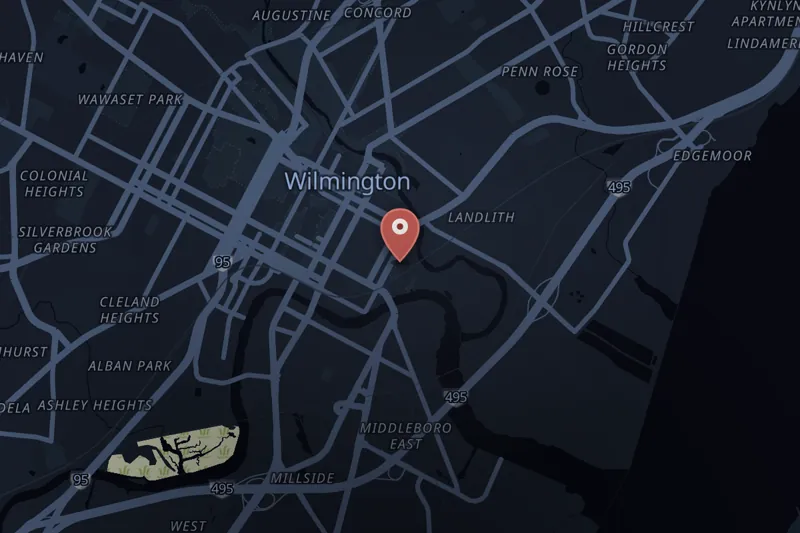 UNSOLVEDListen
Wilmington, Delaware, United States · 1900s
On June 22–23, 1903, a mob of several hundred white men in Wilmington, Delaware broke into a workhouse, seized George White—a Black farm laborer accused in the assault and death of Helen Bishop—and burned him to death at the site of the attack. It is often cited as the only documented lynching in Delaware.
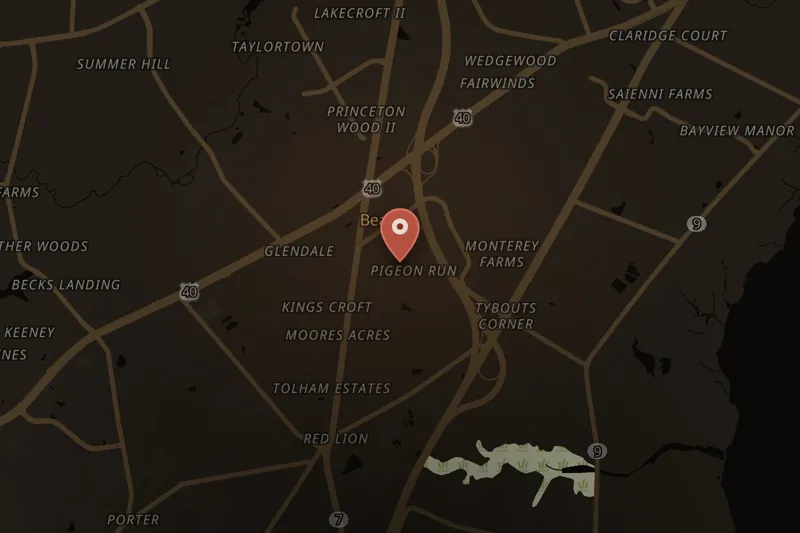 SOLVEDListen
Wawa parking lot, Bear, Delaware · 2010s
Delaware State Police Corporal Stephen Ballard was shot and killed on April 26, 2017 after approaching a suspicious vehicle at a Wawa in Bear, Delaware. The shooter, Burgon Sealy Jr., was shot and killed by police the next day following a standoff at his home.
 Credit: TthrailCC BY-SA 4.0SourceUNSOLVEDListen
Near Macon Road bridge over the Wolf River, Memphis, Tennessee · 1917
In May 1917, Ell Persons, a Black woodcutter accused of the rape and decapitation of 15-year-old Antoinette Rappel near Memphis, Tennessee, was seized from custody by a mob and burned alive before a crowd of about 5,000. No one was ever charged in either death, and the lynching contributed to the founding of the Memphis NAACP.
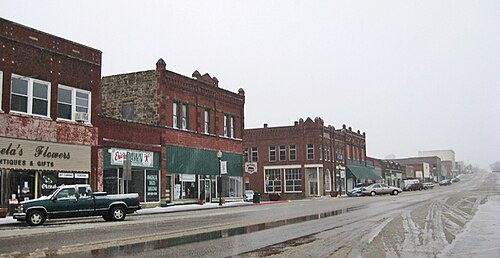 Credit: UyvsdiPublic domainSourceUNSOLVEDListen
Bridge over the North Canadian River near Okemah, Okfuskee County, Oklahoma · 1911
Laura Nelson and her teenage son L. D. Nelson, an African-American mother and son, were seized from the Okfuskee County jail in Okemah, Oklahoma, on the night of May 24, 1911, by a mob of white men and hanged from a bridge over the North Canadian River the following morning. No one was ever identified or charged in connection with the killings.
 Credit: Unknown authorPublic domainSourceUNSOLVEDListen
Newberry, Alachua County, Florida · 1916
In August 1916, a mob of about 200 people in Newberry, Florida, took six Black residents from jail and hanged them from a single tree after a Black man, Boisey Long, killed a white constable attempting to arrest him; no one was ever arrested for the killings.