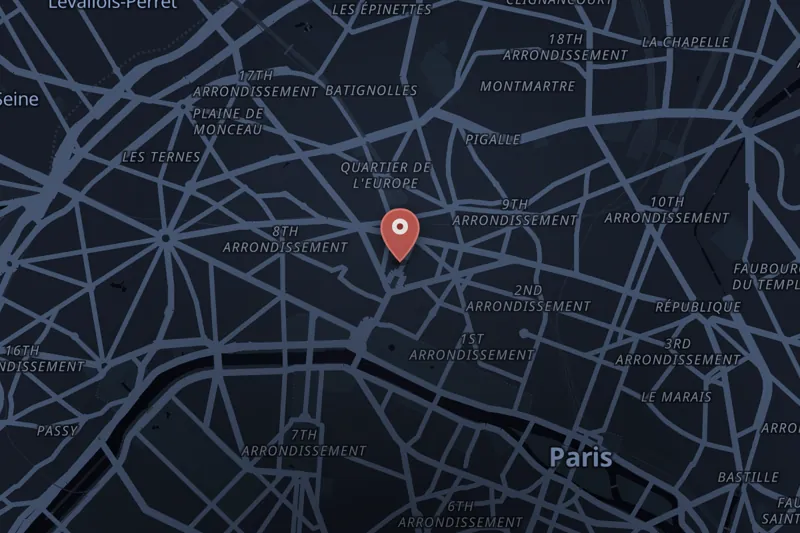
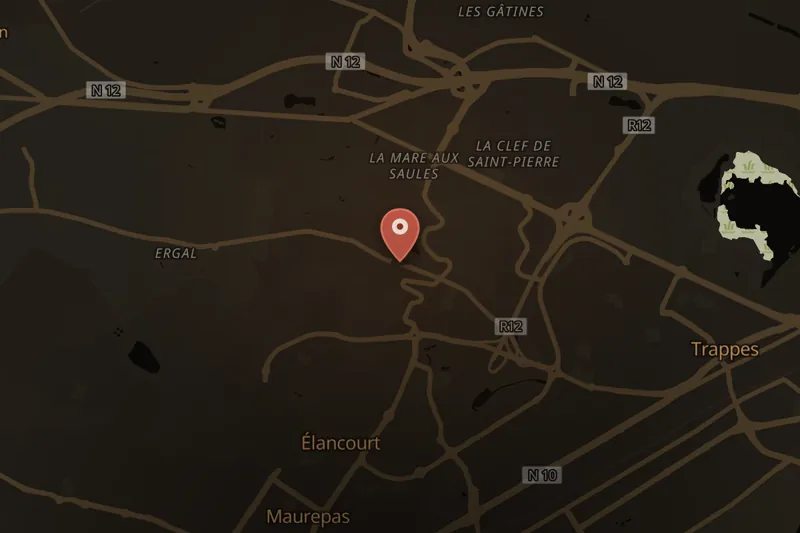
On 1 October 1968, the body of Stevan Marković was found in a public rubbish dump in the village of Élancourt, in the Yvelines département west of Paris. Marković, who was born in Belgrade on 10 May 1937, had worked as a bodyguard for a French film actor whom he had first met years earlier when the actor was filming in Yugoslavia. His violent death opened one of the most prominent French political scandals of the late 1960s, which became known as the Marković affair. The murder was never solved.
According to later accounts, Marković moved in gambling circles and hosted high-society parties, and it was alleged that he secretly photographed guests in compromising situations and tried to sell the images to newspapers. Rumours held that among this material were photographs said to concern the wife of Georges Pompidou, who was then preparing to run for the French presidency. These unverified claims formed the backdrop against which the press and investigators examined his death.
Suspicion initially fell on people close to Marković. Investigators pointed to a letter he had written to his brother stating that two of his associates should be considered responsible if any harm came to him. One of those associates, François Marcantoni, was arrested and detained for about a year before being granted bail in 1969; he was initially charged in connection with the killing, but the charges were dropped after he was questioned. The actor who had employed Marković came under suspicion but was never charged. In 1973 the case was dismissed for lack of evidence, and it remains unsolved.
The affair became entangled with national politics. Rumours that compromising photographs of Claude Pompidou existed troubled her husband's presidential campaign. Georges Pompidou publicly dismissed the talk as rumour, acknowledged that he and his wife had attended parties also attended by Marković, and accused political opponents of turning the French intelligence service, the SDECE, against him. After winning the 1969 election, he appointed a new director to lead and reform the SDECE.
The photographs were later reported to be fabricated. Lucien Aimé-Blanc, a former police chief who had handled the recovered images, said the material had been planted, and by his own account he had arranged for a lookalike to stand in for Madame Pompidou. In 2000, Bernard Violet's book Les Mystères Delon was briefly blocked from sale in France before that prohibition was lifted. The case has continued to attract attention, including in a 2026 book by Edward Chisholm examining the scandal and its cultural context.

 SOLVEDListen