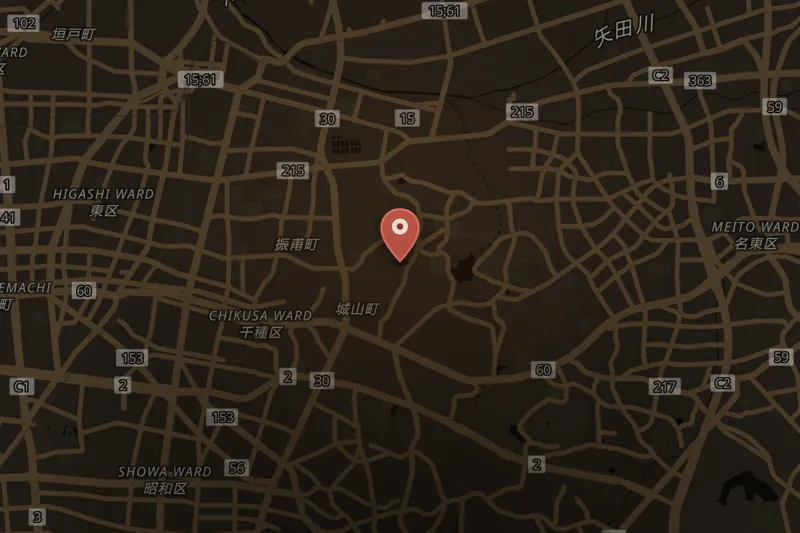
On June 27, 1994, members of the Aum Shinrikyo doomsday cult carried out a sarin gas attack in a quiet residential area of Matsumoto, Nagano Prefecture, Japan. The cult had two objectives: to kill three judges expected to rule against Aum in a real estate lawsuit, and to test the effectiveness of sarin the cult was manufacturing at one of its facilities. Aum's leader, Shoko Asahara, had also been angered by residents of Matsumoto who opposed the cult's plan to build an office and factory in the city, gathering 140,000 signatures against it—about 70 percent of the city's population at the time.
The original plan to disperse sarin at the Matsumoto courthouse was abandoned when cult members found the building closed on arrival. Instead, they targeted a three-story apartment building where the judges lived. At 10:40 p.m., cult members used a converted refrigerator truck—fitted with a heating device to vaporize twelve litres of liquid sarin and fans to disperse the aerosol—to release a toxic cloud near the judges' residence.
At 11:30 p.m., Matsumoto police were alerted by paramedics transporting casualties to hospitals. Victims suffered darkened vision, eye pain, headaches, nausea, diarrhea, constricted pupils, and numbness. In total, 274 people were treated. Five residents were found dead in their apartments, and two more died shortly after hospital admission. An eighth victim, Sumiko Kono, remained in a coma for fourteen years before dying in 2008. Fatalities included 23-year-old Yutaka Kobayashi and 29-year-old medical student Mii Yasumoto. In the surrounding area, dead fish, dogs, birds, and caterpillars were found, along with withered vegetation, and forensic analysis later confirmed the substance as the nerve agent sarin.
Police received an anonymous tip implicating Aum Shinrikyo shortly after the attack, but the cult was not officially linked to the incident until after the Tokyo subway sarin attack in March 1995. In the interim, investigators focused on local resident Yoshiyuki Kōno, whose wife had been left in a coma by the attack. Kōno was wrongly suspected partly because he stored pesticides at his home, and he was labeled by some media as "the Poison Gas Man," receiving hate mail and death threats. It was later established that sarin cannot be produced from the pesticides he possessed. After Aum's role became clear following the Tokyo attack, Japanese newspapers and Matsumoto's police chief publicly apologized to Kōno. His wife later awoke from her coma but did not regain speech or movement before her death in 2008.
Multiple Aum Shinrikyo members were convicted in connection with the Matsumoto and Tokyo subway sarin attacks. Thirteen members, including Asahara, were sentenced to death and executed in 2018. The two attacks combined caused 21 deaths and thousands of injuries requiring hospital or outpatient treatment.