Casepin
Back to cases

Case file

Killing of the Hakamada Family (Hakamata Incident)

OVERTURNED1966Shizuoka Prefecture, Japan3 SOURCESUPDATED JUL 2026

Documents violence · torture — written to inform, not to shock.

Illustrative

On 30 June 1966, a fire broke out at the home of an executive who employed Iwao Hakamada, a former professional boxer, at a Shizuoka-based miso manufacturer. According to Hakamada, he helped extinguish the fire and discovered the bodies of the executive, his wife, and their two children, all of whom had been stabbed to death. Approximately ¥200,000 in cash was reported stolen from the residence.

Hakamada was interrogated by police and arrested in August 1966. His lawyers later stated he was interrogated for a total of 264 hours over 23 days, including sessions of up to 16 hours, without water or toilet breaks, and that he was denied a confession. Police initially cited a small amount of blood and gasoline found on pajamas belonging to Hakamada. At trial, Hakamada retracted his confession, alleging he had been physically abused by interrogators to obtain it, and pleaded not guilty.

Prosecutors later shifted their evidentiary basis to five pieces of bloody clothing recovered from a miso tank at the factory in August 1967, fourteen months after the crime, arguing the clothing belonged to the killer and matched victims' blood types. Supporters of Hakamada argued the case contained significant inconsistencies, including that the alleged murder weapon could not have inflicted the reported forty stab wounds without damage, that the clothing was too small for Hakamada, and that a "B" label cited by prosecutors as indicating size actually denoted color. Despite the trial court criticizing police interrogation tactics and discounting part of the confession, a three-judge panel convicted Hakamada and sentenced him to death on 11 September 1968. The conviction was upheld on appeal, including by the Supreme Court of Japan in November 1980.

Hakamada spent nearly 50 years on death row, much of it in solitary confinement, while his legal team pursued retrial requests beginning in 1981. In 2007, Norimichi Kumamoto, the presiding judge from the original trial, publicly stated he had doubted the confession's authenticity and believed Hakamada innocent. DNA testing conducted in 2008 and confirmed in later tests indicated that blood on the clothing evidence did not match Hakamada. In March 2014, the Shizuoka District Court granted Hakamada a retrial and ordered his immediate release, citing reason to believe evidence had been fabricated in the original investigation.

After further appellate proceedings, the Tokyo High Court ordered a retrial in March 2023. On 26 September 2024, the Shizuoka District Court acquitted Hakamada, 56 years after his arrest. Prosecutors declined to appeal, and the acquittal was finalized in October 2024. In 2025, a court awarded Hakamada compensation of 217,362,500 yen for his imprisonment. In September 2025, Hakamada filed a defamation suit against the Japanese state following remarks by the prosecutor general about the acquittal.

Key facts

Victims
On file
Date
1966
Location
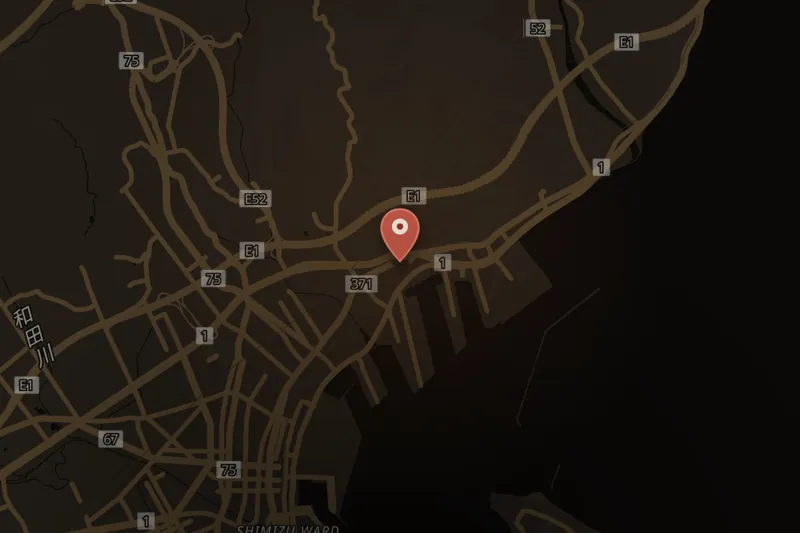
Shizuoka Prefecture, Japan
Case status
overturned

Case timeline

  1. 1966-06-30

    Fire at the home of an executive employing Iwao Hakamada; the executive, his wife, and their two children are found stabbed to death.

  2. 1966-08

    Hakamada is arrested based on his confession and physical evidence, including pajamas with traces of blood and gasoline.

  3. 1967-08

    Five pieces of bloody clothing are discovered in a miso tank at the factory, later presented by prosecutors as key evidence.

  4. 1968-09-11

    A three-judge panel at the Shizuoka District Court convicts Hakamada and sentences him to death.

  5. 1980-11

    The Supreme Court of Japan upholds Hakamada's death sentence.

  6. 1981

    Hakamada's new legal team files a request for a retrial.

  7. 1994-08

    The Shizuoka District Court denies the retrial request after 13 years of review.

  8. 2004-08

    The Tokyo High Court upholds the denial of a retrial.

  9. 2007-03

    Norimichi Kumamoto, the original presiding judge, publicly states he believed Hakamada to be innocent.

  10. 2008-03-25

    The high court denies a retrial request, stating no reasonable doubt exists over Hakamada's guilt.

  11. 2008

    DNA testing suggests blood on the clothing evidence does not match Hakamada, prompting a new retrial request.

  12. 2012-03-14

    A new blood sample is taken from Hakamada for further DNA testing against evidence.

  13. 2014-03

    The Shizuoka District Court grants Hakamada a retrial and orders his immediate release.

  14. 2018-06

    The Tokyo High Court overturns the ruling that led to Hakamada's release, though he remains free pending further proceedings.

  15. 2023-03

    The Tokyo High Court orders a retrial for Hakamada.

  16. 2024-09-26

    The Shizuoka District Court acquits Hakamada in the retrial.

  17. 2024-10-08

    Prosecutors confirm they will not appeal the acquittal.

  18. 2024-10-09

    The acquittal verdict is finalized.

  19. 2024-10-21

    Shizuoka Prefectural Police Chief Takayoshi Tsuda apologizes to Hakamada.

  20. 2025-01-29

    Hakamada's legal team files a compensation claim of approximately ¥217 million against the Japanese government.

  21. 2025-03-25

    The compensation claim is approved by the Shizuoka District Court.

  22. 2025-09-11

    Hakamada files a defamation suit against the Japanese state over remarks made by the prosecutor general regarding his acquittal.

Best coverage

No approved coverage links are attached yet.

People

  • Iwao Hakamada

    EXONERATED

    Convicted in 1968 and sentenced to death for the 1966 killings; released in 2014 after a retrial was granted, and acquitted in a 2024 retrial after DNA evidence undermined the original conviction.

    citation on file

Places

Common questions

What happened to the victim?
In 1966, an executive, his wife, and their two children were found stabbed to death after a fire at their home in Shizuoka Prefecture, Japan. Former boxer Iwao Hakamada was convicted and sentenced to death in 1968 based on a disputed confession and contested physical evidence; after nearly five decades on death row, DNA testing led to his release in 2014 and acquittal in a 2024 retrial.
Where did the killing happen?
Shizuoka Prefecture, Japan.
What is the current status of the case?
Status: overturned. Last verified July 2026.

Sources

  1. Iwao Hakamatawikipedia · Wikipedia · 2026-07-07
  2. Contemporaneous coverage — The Guardiannews · The Guardian · 2026-07-07
  3. Contemporaneous coverage — BBC Newsnews · BBC News · 2026-07-07

Last verified JUL 2026