Casepin
Back to cases

Active case

May 1918 lynchings

UNSOLVED1918Brooks and Lowndes Counties, Georgia, United States3 SOURCESUPDATED JUL 2026

Documents violence · domestic violence · crimes against children · torture — written to inform, not to shock.

Illustrative

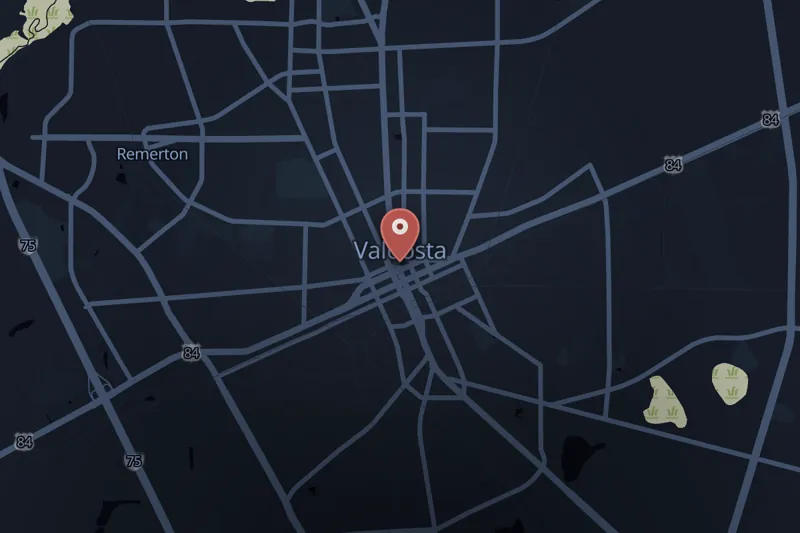
On May 16, 1918, Hampton Smith, a white plantation owner near Morven, Georgia, was shot and killed by Sidney Johnson, a Black worker whom Smith had obtained through the convict-leasing system and who had endured repeated beatings from him. Smith was known among Black workers for being abusive; among others he had beaten was Mary Turner, whose husband Hayes Turner had subsequently threatened Smith and was convicted and sentenced to a chain gang. After the shooting, Johnson fled and hid in Valdosta, Georgia, while a large manhunt formed, conducted mostly by a white mob in Brooks County.

Over the following two weeks, white mobs killed at least 13 Black people in Brooks and Lowndes counties. Victims included Will Head and Will Thompson, lynched on May 17; Julius Jones, lynched near Barney; Chime Riley, drowned in the Little River despite having no known connection to Smith; and Sidney Johnson himself, who was killed in a shootout with Valdosta police on May 18 after wounding several officers, after which a mob mutilated his body, dragged it behind a car, and burned it. Hayes Turner was arrested on May 18 and, while ostensibly being transferred between jails, was seized by a mob and lynched near Okapilco Creek in Brooks County. His body remained hanging until Monday.

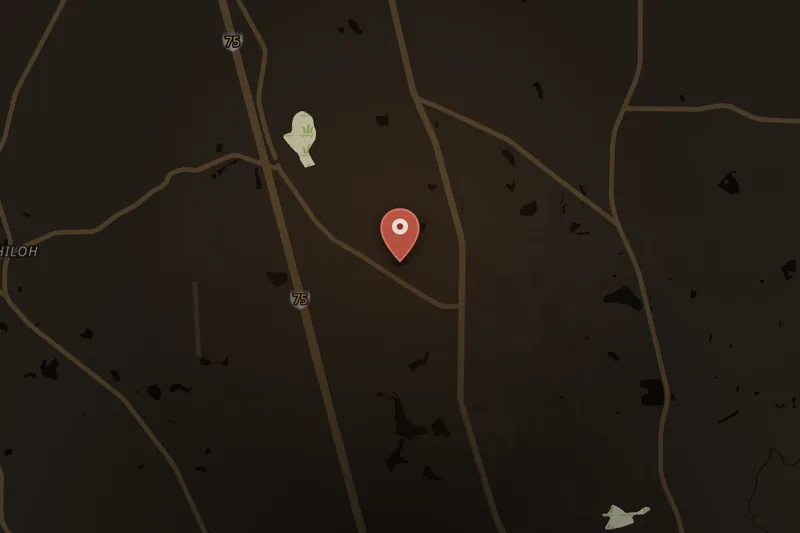
Mary Turner, Hayes Turner's wife, was eight months pregnant. After her husband's lynching, she publicly denounced the killing, denied his involvement in Smith's murder, and threatened to have mob members arrested. In response, a mob of several hundred captured her on May 19 near Folsom Bridge over the Little River. According to NAACP investigator Walter F. White, she was tied and hung upside down by her ankles, doused with gasoline and set on fire, and her abdomen was cut open with a knife. Her unborn child fell to the ground and was killed when a mob member crushed its head with his heel. The crowd then shot Turner's body repeatedly. She was buried near the tree with a whiskey bottle marking the grave. No one was ever charged in her killing.

The NAACP dispatched Walter F. White to investigate the Brooks-Lowndes lynchings; his report to Georgia Governor Hugh Dorsey named two instigators and 15 participants, but no prosecutions resulted. More than 500 Black residents fled the area afterward, despite threats against those attempting to leave. A man named Leamon Wright was later tried and convicted in Savannah, Georgia, for Hampton Smith's murder and the assault on his wife, and was executed by hanging in 1921; he maintained his innocence to his death.

The case became a focal point in NAACP anti-lynching campaigns for decades and contributed to advocacy for federal anti-lynching legislation, including the Dyer Anti-Lynching Bill, which passed the House in 1922 but was repeatedly filibustered in the Senate. A Georgia historical marker memorializing Mary Turner and the lynching rampage was dedicated in 2010; it has since been repeatedly vandalized with gunfire and vehicle damage, and was ultimately relocated.

Key facts

Victims
Chime Riley, Will Thompson, Mary Turner, Will Head, Julius Jones, Hampton Smith, Sidney Johnson, Hazel "Hayes" Turner
Date
1918
Location
Brooks and Lowndes Counties, Georgia, United States
Case status
unsolved

Case timeline

  1. 1918-05-16

    Plantation owner Hampton Smith is shot and killed by Sidney Johnson, prompting a manhunt in Brooks County, Georgia.

  2. 1918-05-17

    Will Head and Will Thompson are lynched in separate locations in Lowndes and Brooks counties.

  3. 1918-05-18

    Hayes Turner is arrested, then seized from custody and lynched near Okapilco Creek, Brooks County. Sidney Johnson is killed in a shootout with Valdosta police; his body is later mutilated and burned by a mob.

  4. 1918-05-19

    Mary Turner, eight months pregnant, is captured and lynched by a mob near Folsom Bridge over the Little River after denouncing her husband's killing.

  5. 1918-05

    Over the course of about two weeks, white mobs kill at least 13 Black people in Brooks and Lowndes counties, Georgia.

  6. 1918-05

    Chime Riley is drowned in the Little River near Barney despite having no known connection to Hampton Smith.

  7. 1918-06-25

    Simon Schuman is removed from Brooks County Jail to avoid lynching after being implicated in Smith's murder; he survives and later relocates to Albany, Georgia.

  8. 1918-09

    The Crisis publishes Walter F. White's NAACP investigative report, 'The Work of a Mob,' on the lynchings.

  9. 1919

    Leamon Wright is tried in Savannah, Georgia, for the murder of Hampton Smith and assault on his wife, for safety reasons rather than in Brooks County.

  10. 1921-06-03

    Leamon Wright is executed by hanging in Chatham County Jail, maintaining his innocence.

  11. 1922

    The Dyer Anti-Lynching Bill passes the U.S. House of Representatives but is later filibustered in the Senate.

  12. 2008

    The Mary Turner Project is formed to educate the public about the 1918 lynchings.

  13. 2010-05-15

    A Georgia historical marker memorializing Mary Turner and the Lynching Rampage of 1918 is dedicated near the lynching site in Lowndes County.

  14. 2013-07

    The historical marker is found vandalized with five bullet holes.

  15. 2020-10

    The Mary Turner Project reports the marker has sustained up to 27 bullet holes and vehicle damage; the marker is later relocated to Hahira, Georgia.

Best coverage

No approved coverage links are attached yet.

People

  • Chime Riley

    VICTIM

    Black man drowned in the Little River near Barney despite having no known connection to Hampton Smith.

  • Will Thompson

    VICTIM

    Lynched near Barney, Brooks County, on May 17, 1918, during the manhunt for Hampton Smith's killer.

  • Leamon Wright

    CONVICTED

    Convicted in Savannah, Georgia, of the murder of Hampton Smith and assault on his wife; executed by hanging on June 3, 1921. He maintained his innocence to his death.

  • Walter F. White

    LAW ENFORCEMENT

    NAACP assistant secretary who investigated the Brooks-Lowndes lynchings and reported findings, including named instigators and participants, to Georgia Governor Hugh Dorsey; no prosecutions resulted.

  • Mary Turner

    VICTIM

    Eight-months-pregnant wife of Hayes Turner, lynched on May 19, 1918, after publicly denouncing her husband's killing; her unborn child was also killed. No one was ever convicted.

  • Will Head

    VICTIM

    Lynched near Troupville, Lowndes County, on May 17, 1918, during the manhunt for Hampton Smith's killer.

  • Julius Jones

    VICTIM

    Captured and lynched near Barney, Brooks County, during the May 1918 rampage.

  • Hampton Smith

    VICTIM

    White plantation owner shot and killed on May 16, 1918, by Sidney Johnson; his murder triggered the lynching rampage.

  • Sidney Johnson

    VICTIM

    Shot and killed Hampton Smith after enduring abuse as a leased convict laborer; killed in a shootout with Valdosta police on May 18, 1918, after which his body was mutilated and burned by a mob.

  • Hazel "Hayes" Turner

    VICTIM

    African American man lynched on May 18, 1918, in Brooks County after being accused of involvement in Hampton Smith's murder; no one was convicted.

Roles reflect public records and court outcomes at the time of writing — supporting citations are on file under Sources.

Places

Common questions

What happened to the victim?
In May 1918, following the murder of a white planter, white mobs lynched at least 13 Black people over two weeks in Brooks and Lowndes counties, Georgia, including Hayes Turner and his pregnant wife Mary Turner, whose killing became a landmark case in NAACP anti-lynching campaigns.
Where did the crime happen?
Brooks and Lowndes Counties, Georgia, United States.
Who was convicted?
Leamon Wright (Convicted in Savannah, Georgia, of the murder of Hampton Smith and assault on his wife; executed by hanging on June 3, 1921. He maintained his innocence to his death.).
What is the current status of the case?
Status: unsolved. Last verified July 2026.

Sources

  1. May 1918 lynchingswikipedia · Wikipedia · 2026-07-07
  2. Mary Turner and the Lynching Rampage of 1918 (historical marker)news · georgiahistory.com · 2026-07-07
  3. Remembering Mary Turner (Mary Turner Project official site)news · maryturner.org · 2026-07-07

Last verified JUL 2026