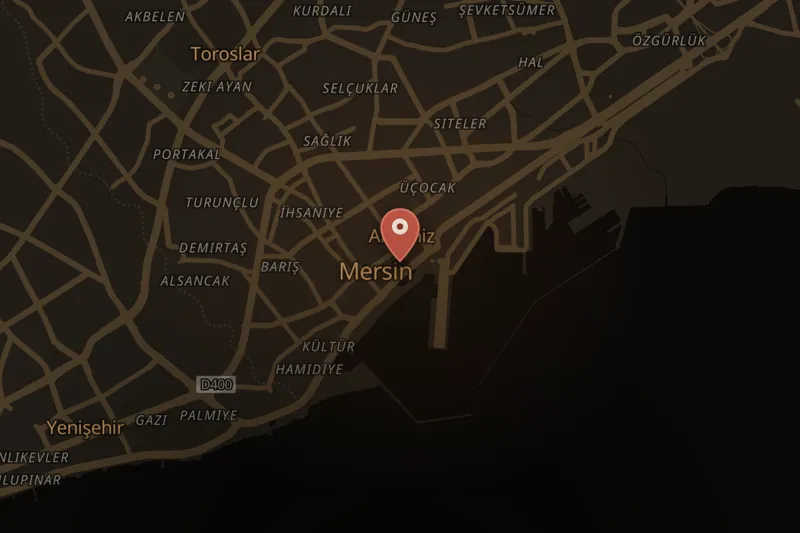
Özgecan Aslan was a 19-year-old first-year psychology student at Çağ University in Tarsus, born and raised in Mersin to a working-class Alevi family. On 11 February 2015, after shopping with a friend, she took a minibus home alone. The driver, Ahmet Suphi Altındöken, attempted to rape her; she resisted with pepper spray, after which he stabbed her multiple times and beat her to death with an iron rod. He drove to a Gendarmerie checkpoint, aroused suspicion after diverting into a forest, but was released following a cursory inspection despite blood being found in the vehicle. He then enlisted his father, Necmettin Altındöken, and a friend, Fatih Gökçe, to help dispose of the body. The three burned Özgecan's body and severed her hands, reportedly to destroy DNA evidence from where she had scratched her attacker, before dumping the remains near the village of Çamalan. Her body was discovered by police on 13 February, so badly burned that identification relied on her clothing.
All three men were arrested and confessed to varying degrees of involvement. The driver initially confessed fully but later changed his account, claiming intoxication and that Özgecan had provoked the confrontation — a claim disputed by her parents. The Mersin bar association initially refused to appoint defense lawyers, delaying proceedings. A post-mortem examination found stab wounds, blunt-force trauma, and DNA from Altındöken under her fingernails, but found no evidence of completed rape, a finding contested by the family's lawyer. The trial began 12 June 2015 and concluded on 3 December 2015, with all three defendants receiving aggravated life sentences without parole; the driver and Gökçe received additional decades-long sentences on further charges.
The killing provoked large-scale protests across Turkey, described as a landmark mass women's movement, with demonstrations in Istanbul, Ankara, İzmir, Mersin, Tarsus, and dozens of other cities and abroad. 16 February became known as "Black Monday," with citizens wearing black in solidarity. The hashtag "#sendeanlat" encouraged women to share experiences of harassment and became a top global Twitter trend. Political figures across the spectrum responded, including Prime Minister Ahmet Davutoğlu and President Recep Tayyip Erdoğan, though the government's response was criticized by many as insufficient. A petition demanding legal reform — later termed the "Özgecan Law" — gathered over a million signatures, though proposed legislative changes to Article 102 of the Turkish Penal Code faced delays and criticism.
On 11 April 2016, while incarcerated in a high-security prison in Adana, Ahmet Suphi Altındöken and his father were shot by a fellow inmate; Altındöken died of his injuries while his father survived. The inmate responsible, identified as Gültekin Alan, was convicted and sentenced to aggravated life imprisonment plus 29 years in July 2017. No cemetery in Tarsus or Adana would accept Altındöken's burial, and his body was eventually interred at an undisclosed location following a delayed, covert removal from the morgue.


 ONGOINGListen


