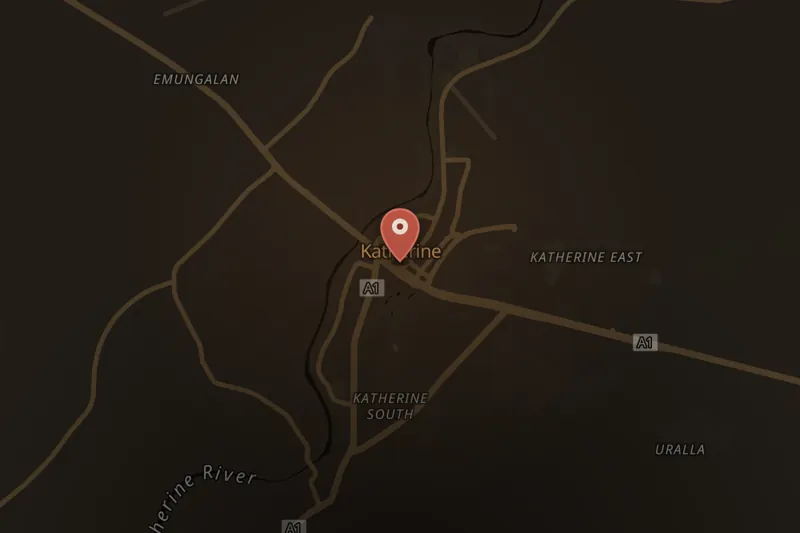
Amy Jayne "Dolly" Everett was a 14-year-old Australian teenager who died by suicide on 3 January 2018 after experiencing extensive bullying. She was from Katherine in the Northern Territory and attended Scots PGC College in Warwick, Queensland. As a child, Everett had been a face in advertising campaigns for Akubra hats, which contributed to the public profile her death later attracted.
Following her death, memorial services were held in both Katherine and Warwick, with mourners encouraged to wear blue, reportedly Everett's favourite colour. Her parents launched a social media campaign under the hashtag #DoItForDolly to raise awareness about the effects of bullying, and established the Dolly's Dream Foundation, supported by the Alannah and Madeline Foundation. A GoFundMe campaign associated with the cause raised over $106,000 within three months. The family also shared a drawing by Everett depicting a figure beneath the words "stand up, speak even if your voice shakes," a phrase that has since been used to encourage bullying victims to speak out about their experiences.
Everett's death also had legislative consequences: the New South Wales Liberal/National Government passed legislation criminalising certain forms of cyberbullying, which came to be referred to publicly as Dolly's Law.
The case generated significant debate about media reporting practices around youth suicide. The Australian Government's media initiative "Mindframe" raised concerns about coverage of Everett's death, criticising media outlets for sharing a memorial video released by her family. Mindframe warned that promoting such public memorials could pose risks to people experiencing similar circumstances or suicidal thoughts, and it urged media to avoid implying that Everett's suicide was caused solely by cyberbullying.
In the aftermath, there were calls to ban or more closely regulate social media applications associated with cyberbullying, such as Sarahah. Some commentators, including Ginger Gorman, characterised these calls as reactive measures unlikely to be effective, and warned they could inadvertently remove online support resources for bullying victims. Other commentators noted that the scale of media interest and public reaction to Everett's death contrasted with what they described as comparative media indifference toward an ongoing youth suicide crisis among Aboriginal Australians.

 Credit: Self-portrait, as published in press coverageEditorial useSourceSOLVEDListen