
Unsolved case
1966 Lumding train bombing
On April 20, 1966, a bomb planted by Naga separatists exploded in a passenger train coach at Lumding railway station in Assam, India, killing 57 people and injuring 72 others.
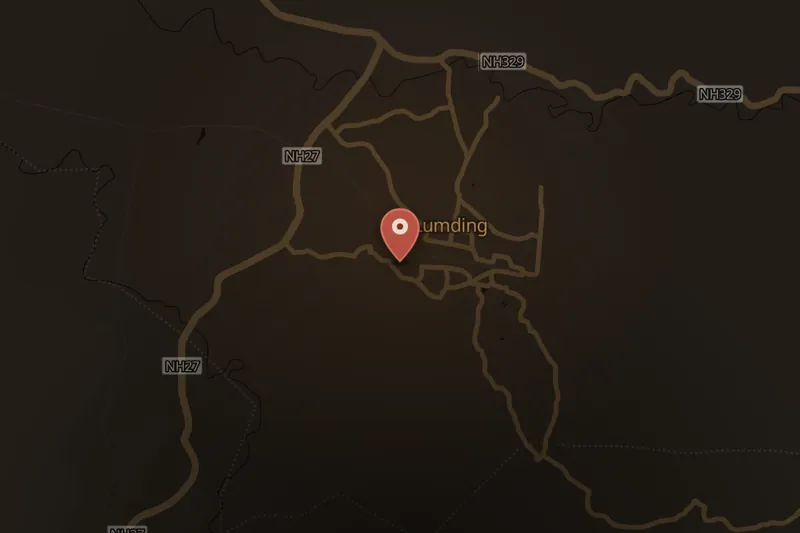
Background
For years prior to 1966, the Indian state of Nagaland had experienced violence between Naga nationalists and the Government of India, with many Naga engaging in guerrilla activities against the government. Roughly two months before the Lumding bombing, a separate train bombing had killed 43 people, with Naga militants later found responsible for that earlier attack.
The Incident
On the evening of April 20, 1966, a time bomb planted by Naga separatists exploded in a third-class compartment of Coach No. 3583, part of the 20 Down Tinsukia-New Jalpaiguri passenger train, while it was standing at Lumding railway station on the North-East Frontier Railway in Assam. The explosion blew off the roof of the rear portion of the coach, causing heavy casualties among both passengers in the train and people on the platform. The Minister of State for Railways, Dr. Ram Subhag Singh, characterized the incident as an act of "sabotage."
Casualties and Response
The bombing killed 57 people and injured an additional 72. Railway and local authorities began rescue and relief efforts promptly, and medical relief was provided swiftly. Ex-gratia payments were arranged for the injured, although the Indian government was accused of not taking the matter seriously enough.
Three days later, on April 23, 1966, a similar explosion occurred at Diphu Railway station, again involving the Tinsukia-New Jalpaiguri passenger train. That incident killed 41 people and injured 81 others. The Minister of Railways, S. K. Patil, expressed regret over the two explosions and outlined the government's immediate relief response.
Investigation
Dr. Ram Subhag Singh told Parliament that the bombings appeared to be acts of "well-organized sabotage," and that the explosives used were of high power and possibly of foreign manufacture, indicating a clear case of sabotage. Authorities made only two arrests in connection with the Lumding and Diphu incidents combined, and this limited response drew heavy criticism from commentators.
Reactions and Aftermath
The bombings prompted concern in the Lok Sabha, where members questioned the government's measures to prevent such attacks. The Minister of State for Railways assured Parliament that steps such as pilot patrols and carrying security guards on trains had already been implemented following previous incidents, and the possibility of checking passengers and luggage was also discussed. The Minister of External Affairs, Sardar Swaran Singh, raised the matter in Parliament as one of urgent public importance. Indian Prime Minister Indira Gandhi, who was at the time engaged in negotiations with Naga leaders, expressed sadness over the Lumding tragedy. The bombings drew attention to the ongoing tribal rebellion in eastern India, with Naga tribesmen implicated in the attacks.
Key facts
- Victims
- On file
- Date
- 1966
- Location
- Lumding railway station, Assam, India
- Case status
- unsolved
Case timeline
1966-04-20
A time bomb planted by Naga separatists explodes in a third-class compartment of the Tinsukia-New Jalpaiguri passenger train at Lumding railway station, Assam, killing 57 and injuring 72.
1966-04-23
A similar explosion occurs at Diphu Railway station involving the same Tinsukia-New Jalpaiguri passenger train, killing 41 and injuring 81.
Best coverage
No coverage has been attached to this file yet.
People
No public people records are attached yet.
Places
Common questions
- What happened to the victim?
- On April 20, 1966, a bomb planted by Naga separatists exploded in a passenger train coach at Lumding railway station in Assam, India, killing 57 people and injuring 72 others.
- Where did the bombing happen?
- Lumding railway station, Assam, India.
- What is the current status of the case?
- Status: unsolved. Last verified July 2026.
Related cases
View all cases
December 2014 Assam violence
Kokrajhar, Sonitpur, and Chirang districts, Assam, India
2004 Shah Jalal Bombing
Shah Jalal Shrine, Sylhet, Bangladesh
Murder of Sheikh Mohammad Samiul Alam Rajon
Sylhet, Bangladesh

16th Street Baptist Church bombing
16th Street Baptist Church, Birmingham, Alabama

MacDonald House bombing
MacDonald House, Orchard Road, Singapore
1972 Aldershot bombing
16th Parachute Brigade headquarters, Aldershot, England
Sources
- ENCYCLOPEDIC1966 Lumding train bombingWikipedia · 2026-07-07
- PRESSIndia/Nagas (1947-present)uca.edu · 2026-07-07
Record history
- First published
- JUL 07, 2026
- Last verified against sources
- JUL 07, 2026
When a file you follow changes — a new development, a correction, fresh coverage — the Dispatch is how you hear about it.
The Casepin Dispatch
A calm weekly briefing from the archive — one case worth understanding, meaningful updates to files you follow, and the best new coverage. You’ll also get the one-time note when the apps land. No gore, no rumor, no drip.