
Unsolved case
1982 kidnapping of Iranian diplomats
Four Iranians — three embassy diplomats and an IRNA photojournalist — were stopped at a checkpoint in northern Lebanon by Lebanese Forces militia on 4 July 1982 and have not been seen since; accounts of their fate remain disputed between claims they were executed by Phalangist forces and claims they were handed to Israel and held alive.
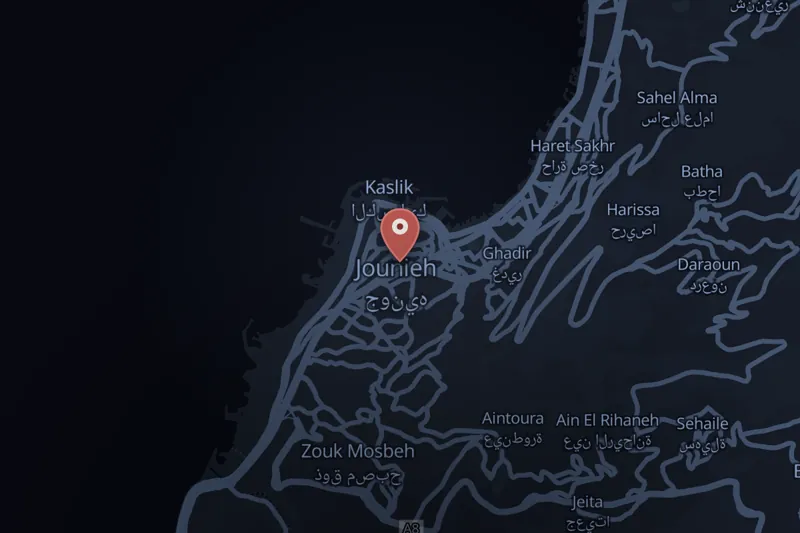
On 4 July 1982, during the Israeli invasion of Lebanon, four Iranians traveling from Iran's embassy in Damascus to Beirut were stopped at the El Berbara checkpoint in northern Mount Lebanon. The men were Ahmad Motevaselian, military attaché at Iran's Beirut embassy and, according to the US State Department and the Jerusalem Center for Public Affairs, commander of an Iranian Revolutionary Guard Corps expeditionary force supporting Shia militias in southern Lebanon and the Bekaa Valley; Seyed Mohsen Mousavi, chargé d'affaires at the embassy; Taghi Rastegar Moghadam, an embassy employee; and Kazem Akhavan, a photojournalist for the Islamic Republic News Agency (IRNA). None of the four has been seen since.
The checkpoint was reportedly commanded by Samir Geagea's Lebanese Forces. According to the online newspaper Rai al-Youm, individuals identified as "Akram" (Biar Rizq) and "Captain" (Abdeh Raji) were involved, with the latter commanding the checkpoint. Lebanese judiciary sources say the four were held under the supervision of Elie Hobeika, then a Phalangist, in Karantina, Beirut for twenty days before being moved to the Adonis prison in Beirut.
Two competing accounts of their fate have circulated for decades. Iranian officials, including former ambassadors to Lebanon and Hezbollah leader Hassan Nasrallah, have asserted the men were handed to Israel and held alive in Israeli prisons, citing statements from released prisoners who claimed to have seen them at Atlit Prison. Israel has denied holding the men, saying it believes they were captured and executed shortly after abduction by a Lebanese militia. Geagea has said the Iranians died some time after capture. Robert Hatem, a former security chief for Hobeika known as "Cobra," said Hobeika was responsible for the group's "kidnapping and murder," and told Israeli agents, according to author Ronen Bergman's book The Secret War with Iran, that he had probably killed at least one of the men, Motevaselian, and recalled the execution in detail, including one man being killed immediately after being found to speak Arabic. The Israeli newspaper Haaretz reported a belief that the men were buried at a site later destroyed by construction.
The case has become a recurring diplomatic issue between Iran, Lebanon, and Israel. It featured in indirect Hezbollah–Israel negotiations after the 2006 Lebanon War and in the 2008 Israel–Hezbollah prisoner exchange, during which Israel provided a report stating the four had been captured by Hobeika's Christian militia. Iranian officials have repeatedly pressed Israel and international bodies for further information, and Lebanon sent a 2008 letter to the United Nations confirming the abduction. According to Nazih Mansour, a former Lebanese parliamentarian and lawyer for one of the affected families, the case has become more political than judicial because some individuals involved, such as Geagea, later became prominent political figures. The disappearance is commemorated annually in Iran.
Key facts
- Victims
- Ahmad Motevaselian, Taghi Rastegar Moghadam, Seyed Mohsen Mousavi, Kazem Akhavan
- Date
- 1982
- Location
- El Berbara checkpoint, northern Mount Lebanon, on the Jounieh–Beirut highway
- Case status
- unsolved
Case timeline
1982-07-04
Ahmad Motevaselian, Seyed Mohsen Mousavi, Taghi Rastegar Moghadam, and Kazem Akhavan are stopped and detained at the El Berbara checkpoint in northern Mount Lebanon while traveling from Damascus to Beirut.
1994-11
Iranian ambassador to Lebanon Homayoun Alizadeh states the four abductees are held alive in Israeli prisons.
1997
The Prisoners' Friends Association says a released prisoner reported seeing the four Iranians in Atlit Prison, Israel, two years earlier; the claim is denied by a spokesman for the Israeli Prime Minister. Elie Hobeika gives an interview to Al-Wasat magazine, published 31 August 1997.
2002
Elie Hobeika is killed.
2008
Lebanon sends a letter to the United Nations confirming the abduction; Israel agrees, as part of the Israel–Hezbollah prisoner exchange, to provide a report on the fate of the four Iranians, stating they were captured by Elie Hobeika's Christian militia.
2016
Rai al-Youm reports a released Greek prisoner told Iran's embassy in Athens he had seen the four men alive in Israeli jails.
2017-07
A senior advisor to Iran's Parliament speaker states the diplomats are held in Tel Aviv and have not been killed, according to the Tehran Times.
2018-07
At the 36th anniversary commemoration, Iran's Foreign Ministry states there is sufficient proof the diplomats were moved to Israel, according to Mehr News.
Best coverage
No coverage has been attached to this file yet.
People
Ahmad Motevaselian
VICTIMMilitary attaché at Iran's embassy in Beirut and IRGC commander; abducted 4 July 1982 and never found.
Taghi Rastegar Moghadam
VICTIMEmbassy employee at Iran's embassy in Beirut; abducted 4 July 1982 and never found.
Seyed Mohsen Mousavi
VICTIMChargé d'affaires at Iran's embassy in Beirut; abducted 4 July 1982 and never found.
Kazem Akhavan
VICTIMPhotojournalist for the Islamic Republic News Agency (IRNA); abducted 4 July 1982 and never found.
Roles reflect public records and court outcomes at the time of writing — supporting citations are on file under Sources.
Places
Common questions
- What happened to Iranian?
- Four Iranians — three embassy diplomats and an IRNA photojournalist — were stopped at a checkpoint in northern Lebanon by Lebanese Forces militia on 4 July 1982 and have not been seen since; accounts of their fate remain disputed between claims they were executed by Phalangist forces and claims they were handed to Israel and held alive.
- Where did the kidnapping happen?
- El Berbara checkpoint, northern Mount Lebanon, on the Jounieh–Beirut highway.
- What is the current status of the case?
- Status: unsolved.
Related cases
View all cases
1994 Saydet al-Najat Church bombing
Saydet al-Najat Church, Zouk Mikael, Lebanon

Assassination of Bachir Gemayel
Kataeb Party headquarters, Achrafieh, Beirut, Lebanon

Assassination of Wissam al-Hassan
Achrafieh, Beirut, Lebanon

Disappearance of Jennifer Kesse
Orlando, Florida, United States

Murder of Denise Amber Lee
North Port, Florida, United States

Murder of Jessica Lunsford
Homosassa, Florida
Sources
- ENCYCLOPEDIC1982 kidnapping of Iranian diplomatsWikipedia · 2026-07-07
- PRESSContemporaneous coverage — Iranian president remarks (1990)The Washington Post · 2026-07-07
- PRESSIran urges U.N. to help free kidnapped diplomatsReuters · 2026-07-07
Record history
- First published
- JUL 10, 2026
When a file you follow changes — a new development, a correction, fresh coverage — the Dispatch is how you hear about it.
The Casepin Dispatch
A calm weekly briefing from the archive — one case worth understanding, meaningful updates to files you follow, and the best new coverage. You’ll also get the one-time note when the apps land. No gore, no rumor, no drip.