Skip to content
Casepin

Overturned conviction · 1994

1994 Saydet al-Najat Church bombing

Also known as Our Lady of Deliverance Church bombing · تفجير كنيسة سيدة النجاة

OVERTURNEDCONVICTEDACQUITTEDEXONERATED
Updated
Updated Jul 7, 2026
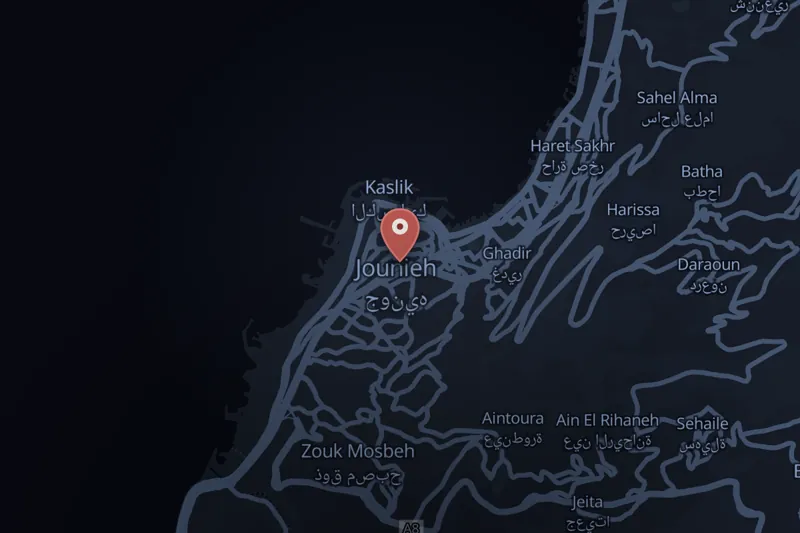
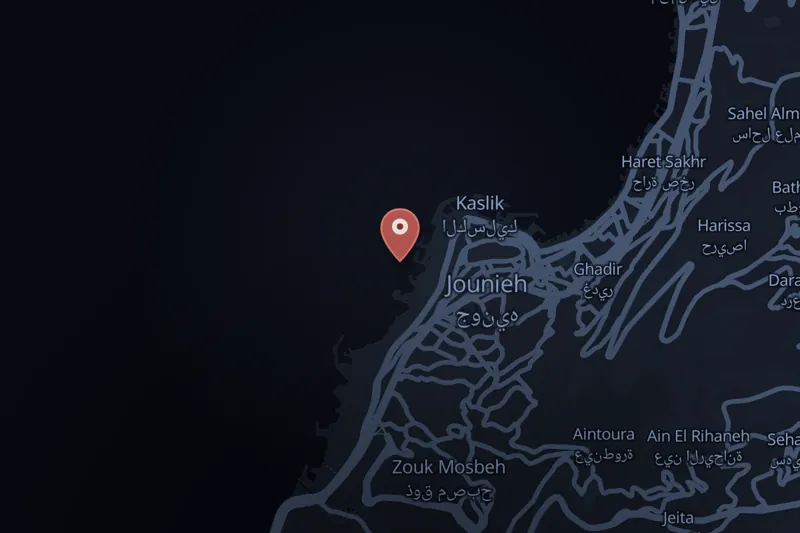
Saydet al-Najat Church, Zouk Mikael, LebanonView on the map

The short answer

1994 Saydet al-Najat Church bombing in brief

A bomb exploded during Sunday Mass at Saydet al-Najat Church in Zouk Mikael, Lebanon, on February 27, 1994, killing 11 people and injuring 54. Lebanese Forces leader Samir Geagea was arrested and prosecuted, but the bombing trial collapsed, and he was later amnestied in a process widely described as a politically motivated "show trial."

Key facts

Year
1994
Place
Saydet al-Najat Church, Zouk Mikael, Lebanon
Status
OVERTURNEDOverturned conviction
Outcome
Convicted: Rushdi Raad, Jean Shahine and Jerjes Khoury; Acquitted: Fouad Malik

The coverage index

Where to watch & listen

No one's coverage is attached to this file yet.

Know great coverage of this case?

A documentary, a podcast episode, a careful long-form video. Suggest it and an editor will review it before it appears here.

Suggest coverage for 1994 Saydet al-Najat Church bombing

The case file

What happened

On February 27, 1994, at approximately 9:15 a.m., a bomb detonated under the altar of Saydet al-Najat (Our Lady of Deliverance) Church, a Maronite Catholic church in Zouk Mikael, Lebanon, during Sunday Mass while worshippers were receiving communion from Father Antoine Sfeir. More than 200 people were present in the church. The explosion involved C4 explosives and two 81mm mortar rounds; five other explosives were also found in the building. Ten people were killed immediately and 54 were injured; one of the injured later died, bringing the total death toll to 11.

In the aftermath, the Syrian-backed Lebanese government used the bombing as grounds to dissolve the Christian Lebanese Forces (LF) party and arrest its leader, Samir Geagea. On March 19, 1994, LF offices were raided and six people were arrested, including LF secretary general Fouad Malik and members of the LF intelligence apparatus, as well as two members of the Guardians of the Cedars. Around 150 LF members were subsequently detained, and the LF was formally banned on March 23. Geagea himself was arrested on April 21, 1994. The investigation later expanded to include the murder of political rival Dany Chamoun and his family. Geagea and four others were formally indicted for the church bombing on June 13, 1994, and three days later Geagea and twelve others were indicted for the killing of Chamoun, his wife, and two children.

The church bombing trial opened on November 19, 1994. The case relied heavily on a single witness, Girgis Khuri, and was reportedly weakened by the absence of two other LF figures who were in hiding abroad. Commentators described the evidence against Geagea as largely hearsay and circumstantial. The bombing trial was later postponed in disarray after Khuri withdrew his testimony. Separately, on June 24, 1995, Geagea was convicted in the Chamoun murder case and sentenced to death, later commuted to life imprisonment with hard labour; two co-defendants received shorter terms, and ten LF members were sentenced in absentia. Amnesty International condemned that case as seriously flawed, being based entirely on circumstantial evidence. On July 13, 1996, Public Prosecutor Adnan Addoum sought the death penalty for Geagea and several co-defendants in connection with the bombing case, and hard labor for life for others.

Geagea, who maintained his innocence and accused the Syrian-Lebanese security apparatus of orchestrating the bombing as a false flag to justify dissolving the LF, spent 11 years in solitary confinement. Following the 2005 withdrawal of Syrian forces from Lebanon, the case was widely reexamined. On July 18, 2005, the Lebanese Parliament passed an amnesty law that has been characterized as formally exonerating Geagea, with the 1994 trial subsequently described by historians and legal experts as a "show trial" built on manufactured evidence. Geagea was released from solitary confinement on July 26, 2005.

11 dated entries · 1994–2005

Timeline

  1. Bomb explodes under the altar of Saydet al-Najat Church in Zouk Mikael during Sunday Mass, killing 10 people immediately and injuring 54; one later dies, bringing the toll to 11.

  2. Lebanese Forces offices raided; six people arrested including LF secretary general Fouad Malik.

  3. Lebanese Forces party formally banned by the Lebanese government.

  4. Samir Geagea arrested.

  5. Geagea and four others formally indicted for the church bombing.

  6. Geagea and twelve others indicted for the murder of Dany Chamoun, his wife, and two children.

  7. Trial over the church bombing opens.

  8. Geagea found guilty of the murder of Dany Chamoun and his family; sentenced to death, later commuted to life imprisonment with hard labour.

  9. Public Prosecutor Adnan Addoum requests the death penalty for Geagea and others in connection with the bombing case.

  10. Lebanese Parliament passes an amnesty law described as formally exonerating Geagea.

  11. Geagea released from 11 years of solitary confinement.

5 named in this file

People

Victims first. Every legal label is set from public records and court outcomes, not from the prose.

  • Jean Shahine

    CONVICTED

    Convicted by Lebanon's Judicial Council of the 1994 Saydet al-Najat church bombing as a member of the four-person Lebanese Forces cell (with Jerjes Khoury, Rushdi Raad, and Tony Oubeid) that carried it out; three of the four were sentenced to death as fugitives and the fourth to life imprisonment.[3]

  • Jerjes Khoury

    CONVICTED

    Convicted by Lebanon's Judicial Council of the 1994 Saydet al-Najat church bombing as a member of the four-person Lebanese Forces cell (with Rushdi Raad, Jean Shahine, and Tony Oubeid) that carried it out; three of the four were sentenced to death as fugitives and the fourth to life imprisonment.[3]

  • Rushdi Raad

    CONVICTED

    Convicted by Lebanon's Judicial Council of the 1994 Saydet al-Najat church bombing as a member of the four-person Lebanese Forces cell (with Jerjes Khoury, Jean Shahine, and Tony Oubeid) that carried it out; three of the four were sentenced to death as fugitives and the fourth to life imprisonment.[3]

  • Fouad Malik

    ACQUITTED

    Acquitted in July 1996 by Lebanon's Judicial Council of involvement in the 1994 Saydet al-Najat church bombing; separately sentenced to 18 months in prison for helping organize Lebanese Forces military factions, an unrelated offense.[3]

  • Samir Geagea

    EXONERATED

    Arrested and indicted over the church bombing, but that trial collapsed after the sole witness withdrew; separately convicted in 1995 in the Dany Chamoun murder case, a verdict Amnesty International condemned as based on circumstantial evidence; released and, per the Lebanese Parliament's 2005 amnesty law, formally exonerated, with the proceedings widely described as a politically motivated 'show trial'.[3]

From the record

Quick answers

Who were convicted?
Rushdi Raad: Convicted by Lebanon's Judicial Council of the 1994 Saydet al-Najat church bombing as a member of the four-person Lebanese Forces cell (with Jerjes Khoury, Jean Shahine, and Tony Oubeid) that carried it out; three of the four were sentenced to death as fugitives and the fourth to life imprisonment. Jean Shahine: Convicted by Lebanon's Judicial Council of the 1994 Saydet al-Najat church bombing as a member of the four-person Lebanese Forces cell (with Jerjes Khoury, Rushdi Raad, and Tony Oubeid) that carried it out; three of the four were sentenced to death as fugitives and the fourth to life imprisonment. Jerjes Khoury: Convicted by Lebanon's Judicial Council of the 1994 Saydet al-Najat church bombing as a member of the four-person Lebanese Forces cell (with Rushdi Raad, Jean Shahine, and Tony Oubeid) that carried it out; three of the four were sentenced to death as fugitives and the fourth to life imprisonment.

3 cited

Sources

Coverage is not a source: every fact in this file rests on the records below.

  • 2 Press
  • 1 Encyclopedic
  1. Contemporaneous coverage — The New York Times

    PressThe New York TimesAccessed Jul 10, 2026

  2. Contemporaneous coverage — civilsociety-centre.org

    Presscivilsociety-centre.orgAccessed Jul 10, 2026

  3. 1994 Saydet al-Najat Church bombing

    EncyclopedicWikipediaAccessed Jul 10, 2026

Trust

Record history

First published
Jul 10, 2026
Corrections
None

Are you family of someone named in this file? Corrections and removal requests from victims’ families are prioritized.