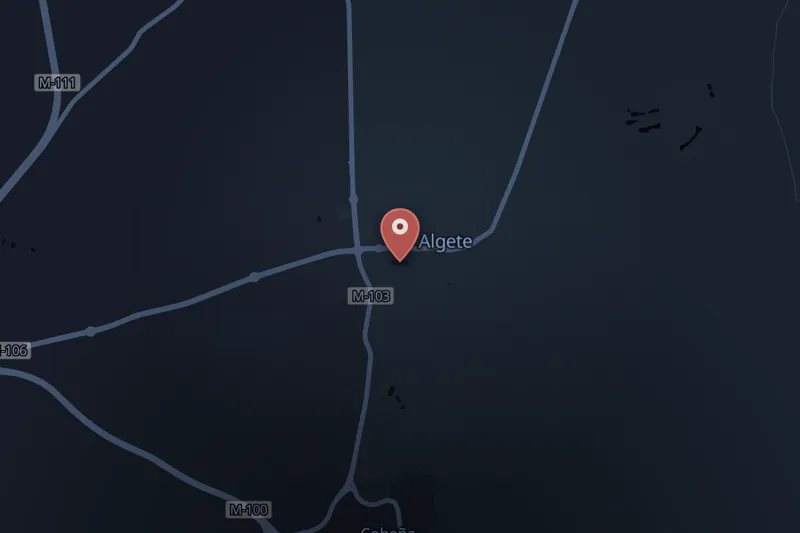
On 11 December 1995, a car bomb was detonated in the Puente de Vallecas district of Madrid, Spain, killing six people and injuring nineteen others. The armed Basque separatist group ETA carried out the attack, which targeted a camouflaged army vehicle that was transporting nine civilian employees of the army toward a nearby motorway.
ETA had placed the car bomb, containing sixty kilograms of amonal, at one of the entrances to the motorway through which army vehicles usually passed. The military vehicle was carrying the civilian employees to their homes in army housing on Peña Prieta Street. As the vehicle passed, the device was detonated remotely, and those responsible fled in a car and by metro.
The Vallecas attack was the third attributed to ETA in 1995. Earlier that year, the group had unsuccessfully attempted to assassinate José María Aznar, then head of the People's Party and Leader of the Opposition, who survived because of the protection provided by his armoured car. In a second attack in June, ETA killed a police officer, Jesús Robello. The December bombing came four days after a meeting of European Union heads of state in Madrid that marked the end of the Spanish Presidency of the EU. ETA had bombed the capital before; the deadliest previous car bombing, at Plaza República Dominicana in July 1986, had killed twelve Civil Guards.
The attack was condemned by all political parties represented in the Spanish parliament, with the exception of ETA's political wing, Batasuna, which declined to comment.
On 27 September 2007, the trial of Juan Antonio Olarra Guridi and Ainhoa Múgica Goñi began. Both were charged with six counts of murder, along with charges relating to the planning and execution of terrorist actions. Olarra, described as ETA's former military head, and Múgica had been arrested in France in September 2002 and were believed to have belonged to the group's Madrid Commando unit. During the proceedings, the two declined to respond beyond stating in Basque that they did not recognise the court's authority to judge them. On 30 October 2007, both were found guilty and sentenced to 1,243 years in prison, although under the sentencing rules in force at the time they were expected to serve a maximum of thirty years.


 Credit: Unknown authorCC BY-SA 4.0SourceSOLVEDListen