Background
The Moro conflict in Mindanao dates back to Spanish colonial rule, with Muslim-majority Moro communities seeking autonomy from Christian-majority governments centered in Luzon. By the 20th century this had produced armed militant groups, including the Moro Islamic Liberation Front (MILF), which sought an independent Moro republic. Despite the creation of the Autonomous Region in Muslim Mindanao in August 1989, the MILF continued its insurgency. MILF members were believed responsible for a December 1993 grenade attack on San Pedro Cathedral in Davao City that killed 6 civilians and wounded over 130 others. In early February 2003, Philippine forces attacked an MILF stronghold in Pagalungan, killing an estimated 160 militants during the Battle of the Buliok Complex. Shortly afterward, MILF leader Salamat Hashim issued an audio message urging followers to "fight back." Late February 2003 saw a car bombing at Awang Airport in Cotabato City and a sabotage attack on the Mindanao power grid, both attributed to the MILF.
The Attack
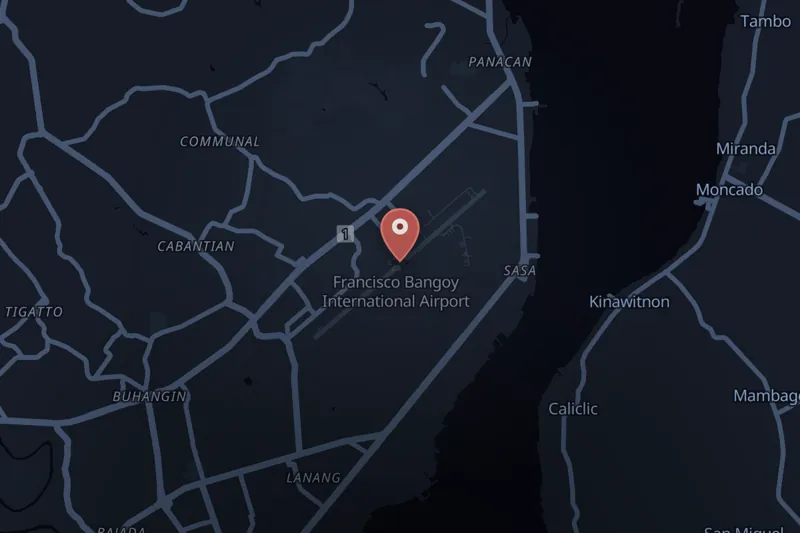
At 5:20 pm local time on March 4, 2003, an improvised explosive device concealed in a backpack detonated in the crowded waiting area of Francisco Bangoy International Airport, shortly after a Cebu Pacific flight from Manila had landed. The blast killed 22 people, injured 113 others, and caused significant structural damage. Minutes later, separate explosions occurred at the Ecoland Bus Terminal in Davao City and outside a health center in Tagum City, wounding two more people. Davao Doctors Hospital was reportedly overwhelmed by casualties, with its blood bank exhausted treating shrapnel wounds.
Aftermath and Investigation
President Gloria Arroyo visited the site the next day, calling the bombing a "brazen act of terrorism." US President George W. Bush condemned the attack and pledged assistance; FBI agents later assisted Philippine police, including performing an autopsy on the suspected suicide bomber, while Australian Federal Police investigated possible links to the 2002 Bali bombings. Abu Sayyaf commander Hamsiraji Marusi Sali claimed responsibility in a media interview, but Philippine authorities dismissed this as propaganda. Davao Mayor Rodrigo Duterte said intelligence reports from February 2003 had warned of bomb attacks unless military operations against the MILF ceased; the MILF denied involvement. Philippine police identified 23-year-old Montazer Sudang, who had MILF links, as the bomber. In April 2003, five men were arrested in Cotabato City on murder-related charges connected to the bombings. In October 2004, MILF member Abdul Manap Mentang was arrested on separate charges and, under interrogation, admitted involvement in the Davao airport and Sasa ferry port attacks, which he said were directed by a Jemaah Islamiyah leader; he was released in a January 2005 amnesty tied to peace negotiations.
Trial Outcome
In January 2010, a Regional Trial Court judge acquitted five defendants of murder charges related to the airport bombing for lack of evidence, but convicted one of them, Toto Akman, for direct participation in the related Sasa ferry port bombing, sentencing him to life imprisonment and ordering him to pay civil damages.
Alternative Allegations
Some Philippine military officers involved in the 2003 Oakwood mutiny alleged the bombing was a false-flag operation involving US intelligence, a claim also referenced by press reports and later remarks attributed to President Duterte.


 Credit: ROBINSON NIÑAL/PPDPublic domainSourceSOLVEDListen


