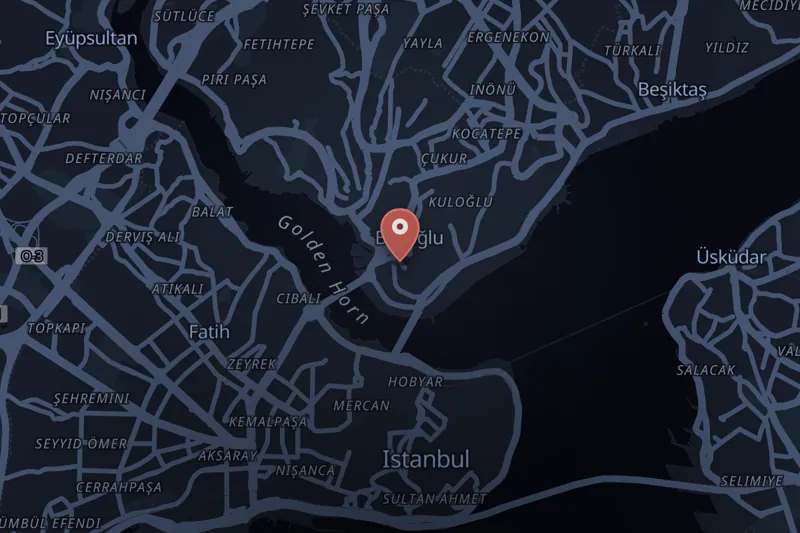
On 15 November 2003, two truck bombs were detonated minutes apart in Istanbul, Turkey: one in front of the Bet Israel Synagogue in Şişli at around 9:30 a.m. local time, and another in front of the Neve Shalom Synagogue in Beyoğlu at approximately 9:34 a.m. The Neve Shalom Synagogue was hosting Saturday prayers in three rooms as well as a bar mitzvah attended by 400 people; fortified internal walls limited damage there, but the external wall, nearby shops, and passers-by were affected. These first attacks killed 28 people, including the attackers, and wounded more than 300. Rescue teams from Istanbul's fire, health, and municipal services responded, along with a seven-person search-and-rescue team from Israel's ZAKA organization. The Islamic militant group IBDA-C initially claimed responsibility, but investigators later determined the attacks were orchestrated by Al-Qaeda; the Great Eastern Islamic Raiders' Front also initially claimed responsibility.
Five days later, on 20 November 2003, two more truck bombs exploded roughly five minutes apart. At around 10:55 a.m., a bomb containing approximately 700 kilograms of ammonium sulfate, ammonium nitrate, and compressed fuel oil detonated in front of the HSBC Bank AS headquarters in the Levent area of Beşiktaş, severely damaging the building's lower six stories and causing an elevator in motion to collapse. At about 11:00 a.m., another truck bomb detonated in front of the British Consulate General on Meşrutiyet Avenue in Beyoğlu, collapsing the consulate's front garden wall onto the street and damaging nearby buildings, including the entrance to the Çiçek Passage market. These second attacks killed 31 people and injured more than 450. Among the dead were British Consul General Roger Short, 58, and Turkish actor and voice artist Kerem Yılmazer. In total, across both dates, 59 people died—including the four suicide bombers—and more than 750 were wounded.
Turkey charged 74 people in connection with the bombings; the case eventually involved up to 76 defendants. Syrian nationals Loai al-Saqa and Hamid Obysi and Turkish national Harun Ilhan were among those charged. Ilhan admitted involvement and described himself as "an al-Qaeda warrior," implicating alleged ringleaders Habib Akdaş and Gurcan Bac. Akdaş reportedly fled to Iraq and was later killed by coalition forces in Fallujah; Bac's location remained undetermined. On 16 February 2007, Al-Saqa and Ilhan were convicted and sentenced to 67 consecutive life sentences each, plus additional terrorism and conspiracy terms; five other Turkish men—Fevzi Yitiz, Yusuf Polat, Baki Yigit, Osman Eken, and Adnan Ersoz—were also convicted of organizing the bombings. Seyit Ertul received 18 years for leading an al-Qaeda cell, and Obysi received 12 years and 6 months for al-Qaeda membership, forgery, and bomb-making. Twenty-nine others were sentenced to 6 years and 3 months for aiding al-Qaeda, ten received 3 years and 9 months for al-Qaeda membership, and 26 were acquitted. The overall trial, which began with 69 defendants and concluded in April 2007, resulted in 49 people receiving sentences ranging up to life imprisonment; after a retrial following a Court of Cassation reversal of some verdicts, 16 defendants were not sentenced to prison. In 2010, separate Turkish investigations alleged that senior military figures had sought to exploit the bombings as part of an alleged coup-plot investigation known as Operation Sledgehammer; those individuals were arrested and questioned in that unrelated case.

 Credit: CeeGeeCC BY-SA 4.0SourceSOLVEDListen


