Skip to content
Casepin

Solved case · 1972

Asama-Sansō incident

Also known as Asama Mountain Villa incident · あさま山荘事件

SOLVEDCONVICTEDCHARGED
Updated
Updated Jul 7, 2026
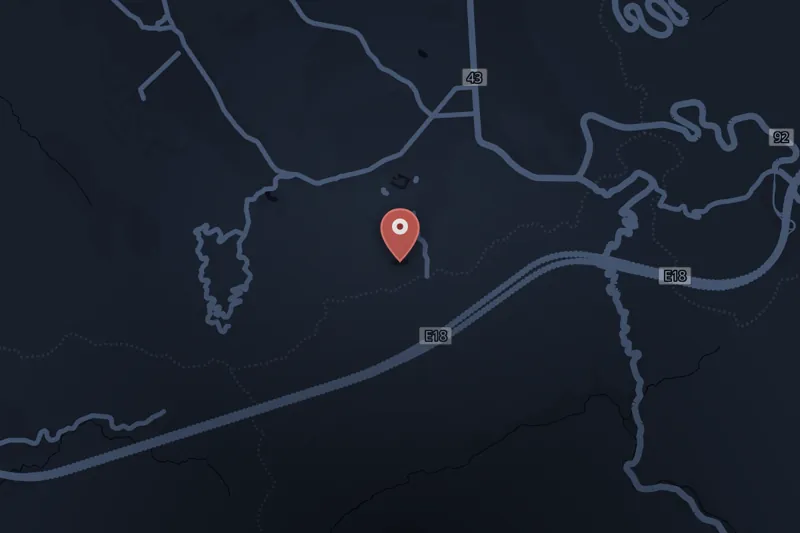
Asama Sansō lodge, near Karuizawa, Nagano Prefecture, JapanView on the map

The short answer

Asama-Sansō incident in brief

A ten-day hostage standoff at a mountain lodge near Karuizawa, Japan, ended on February 28, 1972, when police stormed the building; two officers were killed and the hostage, Yasuko Muta, was rescued unharmed.

Key facts

Year
1972
Place
Asama Sansō lodge, near Karuizawa, Nagano Prefecture, Japan
Status
SOLVEDSolved
Victims
Yasuko Muta, Masahiro Endō, Shigemitsu Takami and Hisataka Uchida
Outcome
Convicted: Kunio Bandō, Jirō Katō, Saburō Katō, Masakuni Yoshino and Hiroshi Sakaguchi; Charged: Tsuneo Mori and Hiroko Nagata

The coverage index

Where to watch & listen

No one's coverage is attached to this file yet.

Know great coverage of this case?

A documentary, a podcast episode, a careful long-form video. Suggest it and an editor will review it before it appears here.

Suggest coverage for Asama-Sansō incident

The case file

What happened

The Asama-Sansō incident was a hostage crisis and police standoff at a mountain lodge below Mount Asama, near Karuizawa in Nagano Prefecture, Japan, lasting from February 19 to February 28, 1972. It followed an internal purge within the United Red Army (URA), a radical leftist group, in which URA leaders Tsuneo Mori and Hiroko Nagata directed the beating deaths of eight members and one non-member at a compound in Gunma Prefecture; six additional members were tied to trees outside and froze to death. On February 16, 1972, police arrested Mori, Nagata, and six others at or near the compound, while five other armed members fled on foot toward Karuizawa.

On February 19, 1972, these five fugitives — Kunio Bandō, Masakuni Yoshino, Hiroshi Sakaguchi, Jirō Katō, and Saburō Katō — took refuge in a vacation lodge called Asama Sansō, owned by Kawai Musical Instruments Manufacturing. Inside, they found Yasuko Muta, the 31-year-old wife of the lodge's caretaker, and took her hostage at gunpoint, barricading themselves inside the concrete-and-wood building. Police surrounded the lodge, initially waiting for a surrender, then cutting electricity and broadcasting appeals from relatives of the radicals, without success.

On February 28, 1972, police launched an assault using a crane with a wrecking ball, ladders, chainsaws, and high-pressure water hoses. The radicals fired on police and threw homemade explosives during the operation. Two police officers, Inspector Shigemitsu Takami (42) and Superintendent Hisataka Uchida (47), were shot and killed, and fifteen other officers were injured. A civilian observer who entered the area without permission was also fatally shot, reportedly by the radicals. Police officer Masahiro Endō was shot in the eye by Bandō and lost the eye but survived. By 6:15 p.m. that day, all four remaining radicals were taken into custody and Muta was rescued; she was cold but uninjured and told police she had not been mistreated, though she had been tied to a bed for most of the standoff. That evening, Bandō's father died by suicide in Ōtsu, reportedly despondent over his son's actions.

Public broadcaster NHK aired live continuous coverage of the February 28 assault for over ten hours, drawing average ratings of 50.8% and a peak of 89.7%. The five radicals were charged with two murders, one attempted murder, obstructing police duties, firearms violations, and illegal confinement. Four received long prison sentences; Sakaguchi was sentenced to death, and in 2013 the Supreme Court of Japan rejected his appeal for a retrial. In 1975, the Japanese government released Bandō, flying him to Libya in response to demands during a Japanese Red Army embassy siege in Kuala Lumpur; he remains at large. After the incident, weekly gossip magazines publicly criticized hostage Yasuko Muta, misrepresenting her comments about her captors, after which she stopped speaking publicly about her ordeal and continued working in Karuizawa. The incident is credited with contributing to a broader decline in popular support for leftist student movements in Japan.

11 dated entries · 1971–2013

Timeline

  1. Keihin group raids a gun shop in Mooka, Tochigi Prefecture, acquiring firearms and ammunition.

  2. Red Army Faction begins a series of bank, post office, and school robberies known as 'Operation M', continuing through July 1971.

  3. Joint military exercises held between the Keihin Group and Red Army Faction; combined leadership conference held December 20 at the Haruna base.

  4. URA leaders Tsuneo Mori and Hiroko Nagata direct an internal purge at a Gunma Prefecture compound, resulting in deaths of eight members by beating and six by exposure.

  5. Police arrest Mori, Nagata, and six other URA members; five armed members flee toward Karuizawa.

  6. Five URA fugitives take refuge in the Asama Sansō lodge near Karuizawa and take Yasuko Muta hostage, beginning the standoff.

  7. Police tactical units begin preparations for an assault on the lodge.

  8. Police use a pitching machine to bombard the lodge with rocks overnight.

  9. Police storm the lodge; two officers are killed, a civilian observer is fatally shot, and the four remaining radicals are taken into custody by 6:15 p.m.; Muta is rescued.

  10. Japanese government releases Kunio Bandō and flies him to Libya in response to a Japanese Red Army embassy siege in Kuala Lumpur.

  11. Supreme Court of Japan rejects Hiroshi Sakaguchi's appeal for a retrial, leaving him on death row.

11 named in this file

People

Victims first. Every legal label is set from public records and court outcomes, not from the prose.

  • Hisataka Uchida

    VICTIM

    Police superintendent (47) shot and killed during the February 28, 1972 assault on the lodge.[3]

  • Masahiro Endō

    VICTIM

    Police officer shot in the eye during the assault; lost the eye but survived.[3]

  • Shigemitsu Takami

    VICTIM

    Police inspector (42) shot and killed during the February 28, 1972 assault on the lodge.[3]

  • Yasuko Muta

    VICTIM

    Lodge caretaker's wife taken hostage during the ten-day standoff; rescued uninjured on February 28, 1972.[3]

  • Hiroshi Sakaguchi

    CONVICTED

    One of five URA members who took hostage; sentenced to death; 2013 Supreme Court appeal for retrial rejected.[3]

  • Jirō Katō

    CONVICTED

    URA member involved in the hostage-taking, aged 19 at arrest; sentenced to 13 years hard labor.[3]

  • Kunio Bandō

    CONVICTED

    One of five URA members involved in the hostage-taking; convicted, later released by the Japanese government in 1975 and flown to Libya; remains at large.[3]

  • Masakuni Yoshino

    CONVICTED

    One of five URA members who barricaded themselves in the lodge with the hostage; sentenced to a long prison term.[3]

  • Saburō Katō

    CONVICTED

    URA member involved in the hostage-taking, aged 16 at arrest; sent to reform school.[3]

  • Hiroko Nagata

    CHARGED

    URA vice-chairman charged in connection with directing the internal purge that preceded the standoff; arrested February 16, 1972.[3]

  • Tsuneo Mori

    CHARGED

    URA chairman charged in connection with directing the internal purge that preceded the standoff; arrested February 16, 1972.[3]

From the record

Quick answers

Who were convicted?
Kunio Bandō: One of five URA members involved in the hostage-taking; convicted, later released by the Japanese government in 1975 and flown to Libya; remains at large. Jirō Katō: URA member involved in the hostage-taking, aged 19 at arrest; sentenced to 13 years hard labor. Saburō Katō: URA member involved in the hostage-taking, aged 16 at arrest; sent to reform school. Masakuni Yoshino: One of five URA members who barricaded themselves in the lodge with the hostage; sentenced to a long prison term. Hiroshi Sakaguchi: One of five URA members who took hostage; sentenced to death; 2013 Supreme Court appeal for retrial rejected.

3 cited

Sources

Coverage is not a source: every fact in this file rests on the records below.

  • 2 Press
  • 1 Encyclopedic
  1. Contemporaneous coverage — search.japantimes.co.jp

    Presssearch.japantimes.co.jpAccessed Jul 10, 2026

  2. Contemporaneous coverage — findarticles.com

    Pressfindarticles.comAccessed Jul 10, 2026

  3. Asama-Sansō incident

    EncyclopedicWikipediaAccessed Jul 10, 2026

Trust

Record history

First published
Jul 11, 2026
Corrections
None

Are you family of someone named in this file? Corrections and removal requests from victims’ families are prioritized.