André Cools was a senior Belgian politician and one of the leading figures of the Walloon Socialist Party (Parti Socialiste, PS) in the Liège region. He was assassinated in 1991, and the investigation into his killing later uncovered widespread graft within Belgium's two socialist parties, French-speaking and Flemish-speaking alike.
Cools held a long series of national and regional offices. He served as Belgium's budget minister from 1968 to 1971 and as Deputy Prime Minister from 1969 to 1972. Within the PS, he led the Walloon section from 1973 to 1978 and chaired the national party from 1978 to 1981. He was later president of the Walloon Council from 1982 to 1985 and a minister in the government of the Walloon Region from 1988 to 1990, and in 1983 he was given the honorific title of Minister of State. In 1990, Cools retired from the national political scene after an internal power struggle within the PS, though he remained influential in the local party in Liège. At the municipal level, he was mayor of Flémalle-Haute from 1964 to 1977 and, after a merger of municipalities, of Flémalle itself from 1977 until his death; the position earned him the nickname 'Le maître de Flémalle' ('Master of Flémalle').
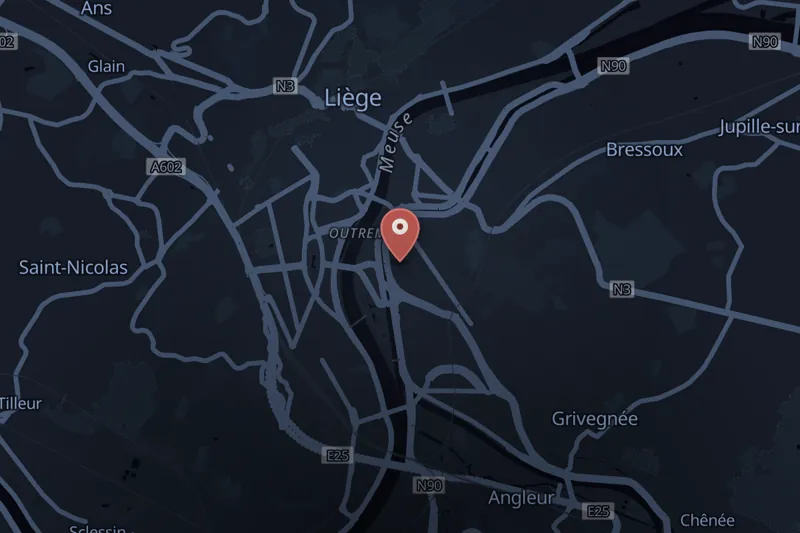
Cools was shot and killed in Liège on 18 July 1991, at the age of 63. The investigation into his assassination went on to expose a series of political scandals touching both the French-speaking and Flemish-speaking socialist parties, including the Agusta affair.
In 2003, a trial opened in Liège against several people accused of involvement in the killing. Among the defendants were Richard Taxquet, a former personal chauffeur and secretary to a Parti Socialiste minister, and Giuseppe "Pino" di Mauro; the source record does not identify the other defendants by name. In January 2004, Taxquet and di Mauro were convicted and sentenced to twenty years' imprisonment each.