Ihsane Jarfi, a 32-year-old gay man living in Liège, Belgium, disappeared on April 22, 2012, after leaving the Open Bar, a gay bar in the city center, in a car with four other men. According to one of the men later arrested, the group struck Jarfi while still in the car, telling him they wanted "to teach the homo a lesson."
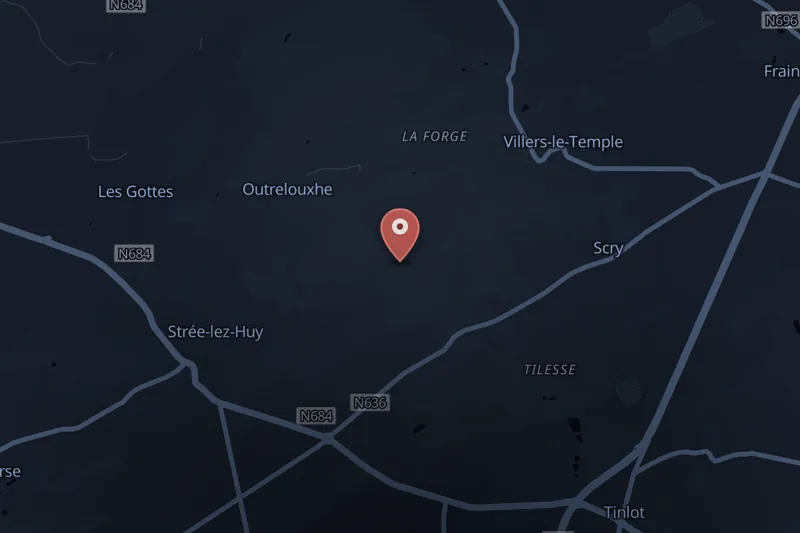
The men then stripped Jarfi and beat him, inflicting very serious injuries that included 17 fractured ribs. They took his money and cell phone and left him naked and bleeding in a field outside the city. A medical examiner later determined that Jarfi died between four and six hours after being abandoned there. His body was found nine days later, on May 1, 2012, by two hikers.
In February 2014, four men — Mutlu Kizilaslan, Jérémy Wintgens, Jonathan Lekeu, and Eric Parmentier — were charged with homophobic murder. They also faced charges of theft with aggravating circumstances, including committing murder to facilitate the theft or ensure impunity, torture and inhuman and degrading treatment, acts of serious humiliation or degradation, and kidnapping.
A trial opened in November 2014 before the Liège Assize Court. In December 2014, the court convicted Kizilaslan, Wintgens, and Parmentier of the homophobic assassination of Jarfi and sentenced each to life imprisonment. Lekeu was convicted of homophobic murder and sentenced to 30 years in prison.
The case was recognized as the first homophobic murder case under Belgian law and drew wide public attention to anti-LGBT violence in the country. It has since been addressed in a book written by Jarfi's father, Ihsane Jarfi: le couloir du deuil (2013); a television documentary, Le crépuscule d'Ihsane, broadcast on RTBF in 2013 and 2014; a theatrical work, La reprise, Histoire(s) du théâtre (I), directed by Milo Rau, which premiered in Brussels in 2017 and was later staged in Edinburgh in 2019; and a 2021 film, Animals, dedicated to his memory.

 Credit: User Mario scolas on fr.wikipediaCC BY-SA 2.0SourceSOLVEDListen


