Casepin
Back to cases

Case file

Ganghwa massacre

SOLVED1951Ganghwa County, Incheon, South Korea3 SOURCESUPDATED JUL 2026
Illustrative

Overview

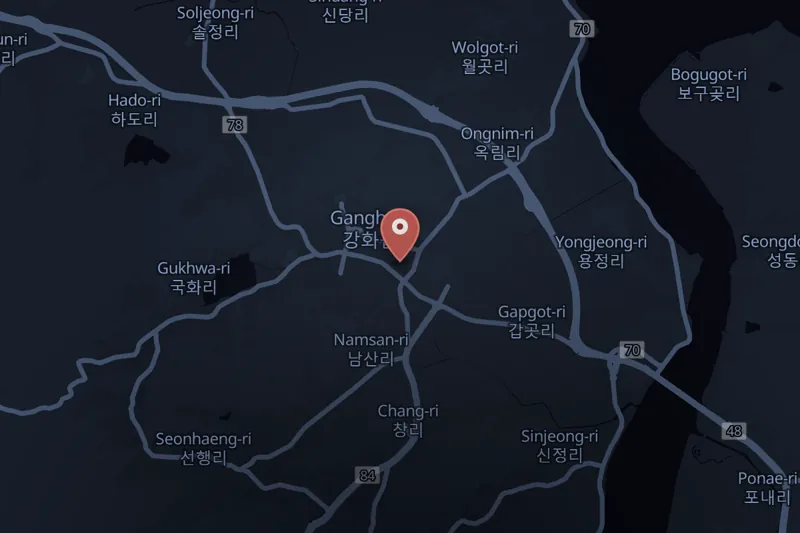
The Ganghwa massacre refers to the killing of unarmed civilians in Ganghwa county, part of the Incheon metropolitan area of South Korea, over a four-day period from 6 to 9 January 1951, during the Korean War. The killings were carried out by South Korean armed forces, South Korean police, and pro-South Korean militiamen. Estimates of the number of victims range widely, from 212 to 1,300 civilians.

Alleged justification

The victims were characterized by the perpetrating forces as so-called collaborators with the Korean People's Army during the period of North Korean occupation of the area. This framing places the massacre within a broader pattern of retaliatory violence against civilians accused of collaboration during the Korean War.

Preceding violence

The Ganghwa massacre was preceded by an earlier episode of killing in the same county: in 1950, 140 people were executed in Ganghwa as part of the Bodo League massacre, a separate but related instance of mass civilian killing carried out amid wartime anti-communist purges in South Korea.

Documentation and official acknowledgment

Knowledge of the massacre developed slowly in the decades after the killings. In 2003, a history book describing the massacre was published by the Ganghwa Culture Center, representing an early effort at local documentation.

A significant documentary discovery followed on 26 February 2006, when the National Archives of Korea admitted into its records a 30 August 1951 official document. In this document, then-Attorney General Jo Jinman reported to then-Prime Minister Chang Myon about the massacre, indicating that South Korean government officials were aware of the killings within the same year they occurred.

Formal state acknowledgment came later. On 17 July 2008, South Korea's governmental Truth and Reconciliation Commission acknowledged the civilian massacre, adding it to the broader record of wartime civilian killings examined by that body, which has also investigated related episodes such as the Bodo League massacre and other mass killings during the Korean War era.

Key facts

Victims
On file
Date
1951
Location
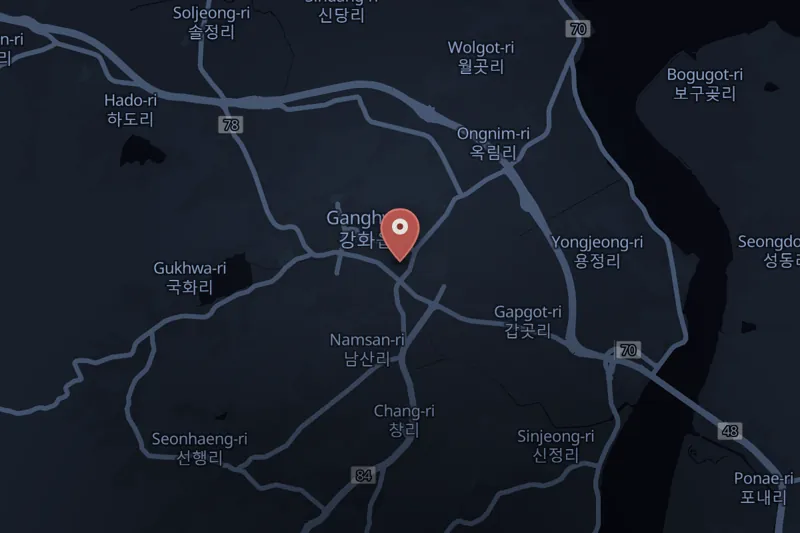
Ganghwa County, Incheon, South Korea
Case status
solved

Case timeline

  1. 1950

    140 people were executed in Ganghwa as part of the Bodo League massacre.

  2. 1951-01-06

    Beginning of the Ganghwa massacre, killing of unarmed civilians by South Korean forces, police, and pro-South Korean militiamen.

  3. 1951-01-09

    End of the four-day killing period in Ganghwa county.

  4. 1951-08-30

    Attorney General Jo Jinman reported to Prime Minister Chang Myon about the massacre in an official document.

  5. 2003

    A history book describing the massacre was published by the Ganghwa Culture Center.

  6. 2006-02-26

    The National Archives of Korea admitted the 30 August 1951 official document reporting the massacre.

  7. 2008-07-17

    The South Korean governmental Truth and Reconciliation Commission acknowledged the civilian massacre.

Best coverage

No approved coverage links are attached yet.

People

  • Jo Jinman

    LAW ENFORCEMENT

    Attorney General of South Korea who, per a 30 August 1951 official document, reported on the massacre to Prime Minister Chang Myon.

Roles reflect public records and court outcomes at the time of writing — supporting citations are on file under Sources.

Places

Common questions

What happened to the victim?
Between 6 and 9 January 1951, South Korean military, police, and pro-South Korean militia forces killed an estimated 212 to 1,300 unarmed civilians in Ganghwa county, Incheon, accusing victims of having collaborated with North Korean forces during the occupation period.
Where did the massacre happen?
Ganghwa County, Incheon, South Korea.
What is the current status of the case?
Status: solved.

Sources

  1. ENCYCLOPEDICGanghwa massacreWikipedia · 2026-07-10
  2. PRESSContemporaneous coverage — South Korea owns up to brutal pastThe Sydney Morning Herald · 2026-07-10
  3. PRESSContemporaneous coverage — Ganghwa massacre discussion boardincheon.kdlp.org · 2026-07-10

Record history

First published
JUL 11, 2026