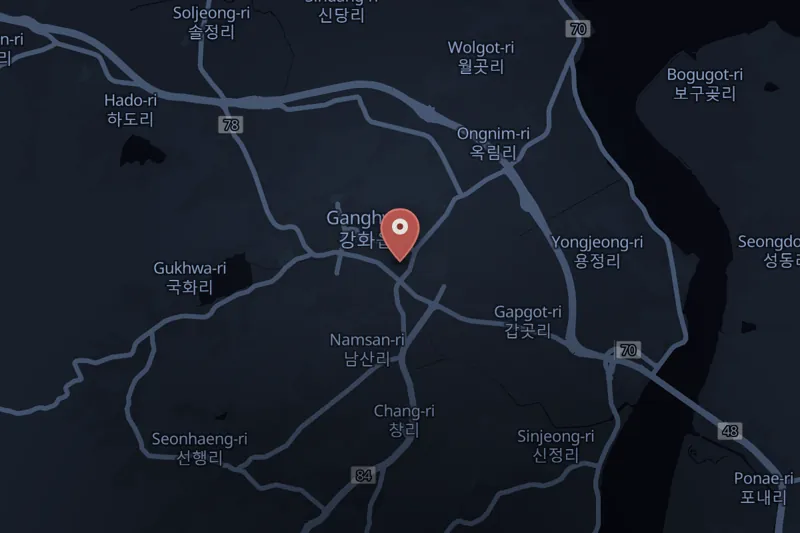
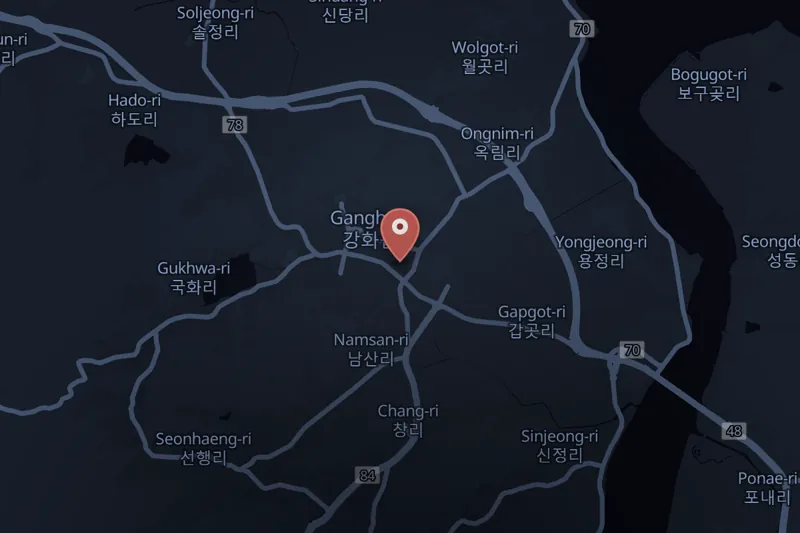
On August 18, 1976, a work party of Korean Service Corps personnel, escorted by a United Nations Command (UNC) security team, entered the Joint Security Area (JSA) of the Korean Demilitarized Zone to trim a 30-metre poplar tree that blocked the line of sight between a UNC checkpoint and an observation post. The security detail was led by Captain Arthur Bonifas, commander of the Joint Security Force, and included First Lieutenant Mark Barrett along with American and South Korean enlisted personnel.
After the pruning began, North Korean soldiers commanded by Senior Lieutenant Pak Cheol initially observed for about 15 minutes before demanding the work stop, asserting the tree could not be pruned. When Bonifas ordered the work to continue and turned his back, Pak sent for reinforcements. Approximately 20 additional North Korean guards arrived carrying crowbars and clubs. After a second confrontation, Pak gave the order to attack. North Korean soldiers used axes dropped by the tree-pruning workers to attack the UNC personnel. Bonifas was beaten to death on the spot by several North Korean soldiers. Barrett fled over a wall into a nearby depression, where he was pursued and attacked; he was later found fatally wounded and died en route to a hospital in Seoul. All but one member of the UNC guard detail were wounded in the roughly 20–30 second altercation.
North Korean state media described the incident as American soldiers provoking an attack that their guards met in self-defense. Kim Jong Il presented a document to the Non-Aligned Nations conference in Colombo characterizing the incident as an unprovoked American-led attack; a resolution condemning the "US provocation" passed. US intelligence assessed the attack as having been planned by the North Korean government, and US forces in South Korea were raised to DEFCON 3.
Three days later, on August 21, 1976, the United Nations Command carried out Operation Paul Bunyan, sending a large joint US–South Korean task force, including engineers with chainsaws, armed security platoons, and South Korean special forces, into the JSA to cut down the tree entirely. The operation was backed by a substantial display of air and naval power, including helicopters, fighter jets, B-52 bombers, and a carrier task force stationed offshore, while thousands of additional troops were placed on alert. North Korean forces mobilized but did not intervene, and the tree was felled in 42 minutes without violence.
Later that day, North Korean leader Kim Il Sung sent a message via the Military Armistice Commission expressing regret over the incident, marking the first time North Korea had accepted responsibility for a violent incident along the DMZ since the 1953 armistice. The JSA's advance camp was subsequently renamed Camp Bonifas, and a facility was named for Barrett. A monument was later placed at the site of the tree, and the JSA was reorganized to separate personnel from the two sides to prevent future confrontations of this kind.

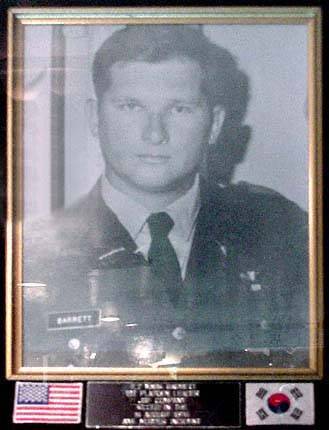
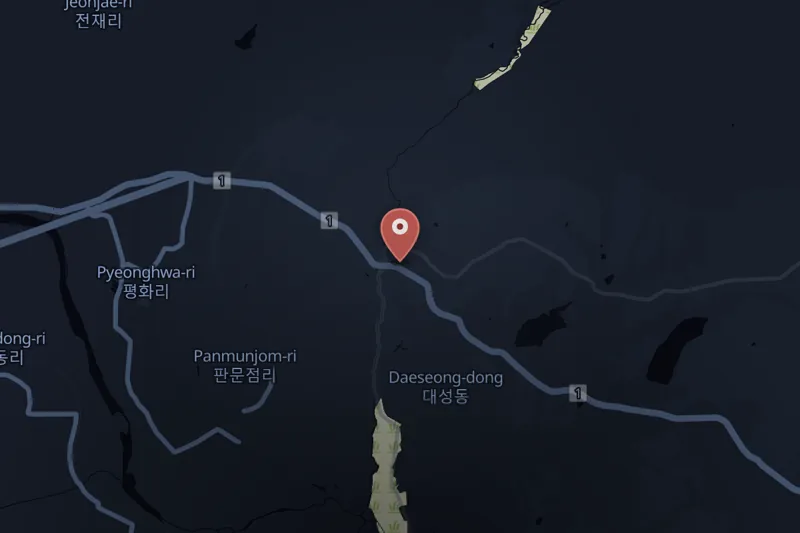
 Image recordCC BY-SA 3.0SourceSOLVEDListen