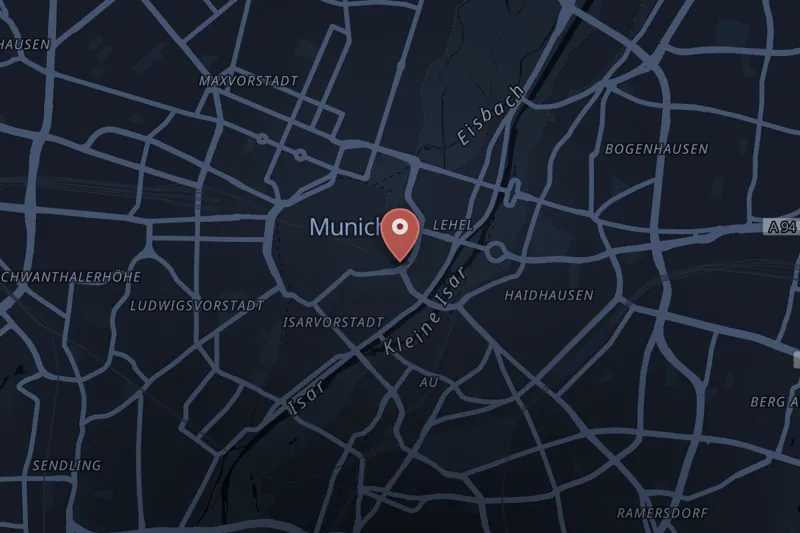
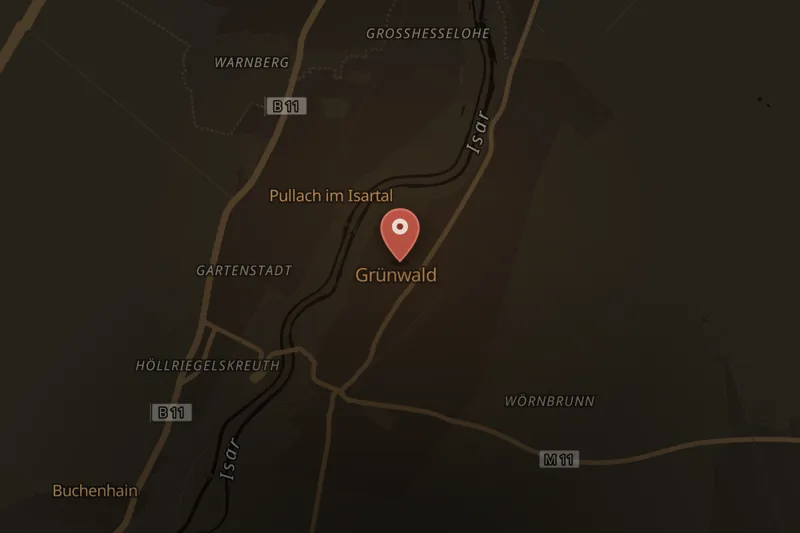
On September 10, 1928, Morduch Halsman, a Latvian Jewish dentist, was killed while on a hiking trip with his son, Philippe Halsman, in the Zillertal valley in the Austrian Tyrol. Philippe, then a 22-year-old engineering student in Dresden, later said he had been walking ahead of his father when he heard a cry and saw him fall down a precipice. By the time he found a path down to the river bank below, his father had been robbed and killed; Morduch's empty wallet was found beside the body.
Local officials, working against a backdrop of a series of unsolved crimes in the area and widespread antisemitism, arrested Philippe Halsman and charged him with his father's death without direct evidence or an established motive. Morduch Halsman's body was recovered and autopsied, and Philippe was taken to Innsbruck to stand trial.
The first trial opened at the Innsbruck state court on December 13, 1928. Witnesses from the nearby town of Breitlahner — some connected to the Heimwehr, a paramilitary movement associated with proto-Nazi activity — testified that Philippe's behavior at the scene had struck them as suspicious. Prosecutors also pointed to a stone found bearing the victim's blood and hair, though no evidence tied the stone to Philippe. His defense centered on the absence of any motive, supported by relatives' testimony describing a close father-son relationship. The local newspaper Innsbrucker Nachrichten ran a story titled “Accident or Murder?” the day after the killing, followed a week later by one titled “A Father Battered to Death by His Own Son.” After four days of testimony, a jury voted 9-3 to convict Halsman, and he was sentenced to ten years' imprisonment in solitary confinement.
Journalists and legal scholars across Austria and Germany challenged the verdict, and the Supreme Court of Austria reversed the conviction and returned the case to Innsbruck for retrial. At a second trial on October 19, 1929, Halsman was found guilty of the lesser charge of manslaughter and sentenced to four years' imprisonment.
Observers of the proceedings noted the widespread antisemitism in Tyrol and the public condemnation directed at Halsman. His sister, Liouba, campaigned for his release and drew international attention to the case; prominent intellectuals including Sigmund Freud, Albert Einstein, and Thomas Mann publicly endorsed his innocence. Freud argued specifically that the Oedipus complex, which trial experts had offered as a possible motive, was a universal psychological phenomenon and should not have been treated as evidence of guilt. On October 1, 1930, Austrian President Wilhelm Miklas pardoned Halsman. He subsequently left Austria for Paris, where he began a career as a photographer. No other suspects were tried in connection with his father's death.


 SOLVEDListen