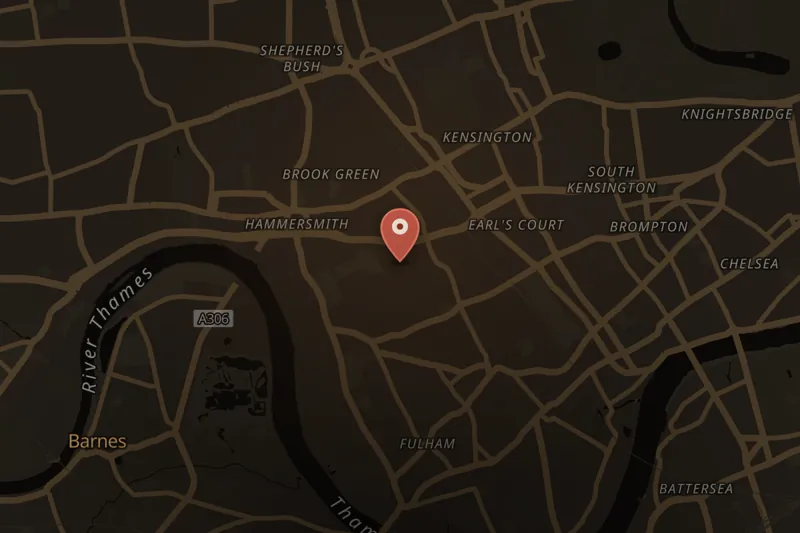
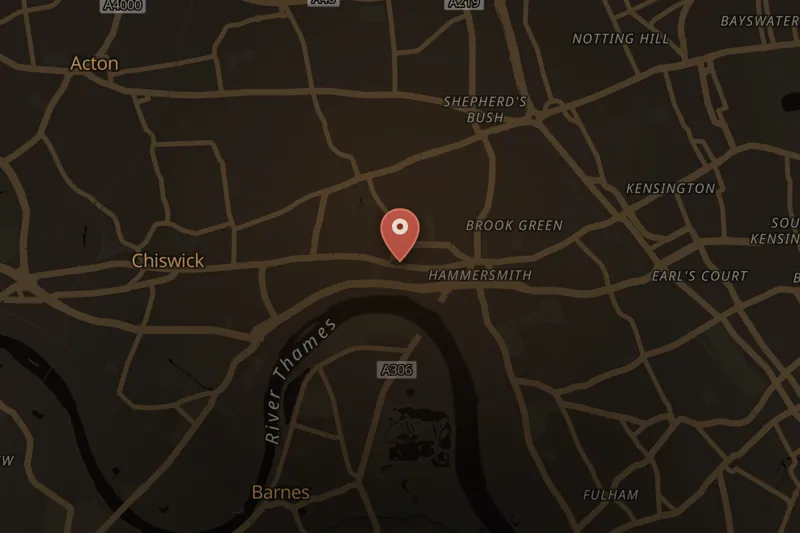
Between 1964 and 1965, six women were found dead and undressed in or near the River Thames in West London, England. All were believed to have been engaged in prostitution. The press dubbed the unidentified perpetrator "Jack the Stripper," a reference to Jack the Ripper. Two earlier deaths — of Elizabeth Figg in 1959 and Gwynneth Rees in 1963 — have also been linked by some investigators to the same series, though this connection is not universally accepted. The case remains unsolved, and forensic evidence gathered at the time is believed to have been destroyed or lost.
Figg was found strangled at Duke's Meadows, Chiswick, in June 1959, with her underwear, shoes, and handbag missing. Rees's body was discovered at a refuse disposal site in Mortlake in November 1963; she had been accidentally decapitated by a workman's shovel while the site was being cleared. Hannah Tailford was found on the Thames foreshore near Hammersmith Bridge in February 1964, strangled, with her underwear stuffed in her mouth. Irene Lockwood, who was pregnant, was found at Corney Reach, Chiswick, in April 1964; her death led police to conclude a serial killer was active. Helen Barthelemy was found in an alleyway in Brentford later that same month; paint flecks recovered from her body gave investigators their first significant forensic lead, pointing toward a workplace source for the paint. Mary Fleming was found in Chiswick in July 1964, again with paint traces on her body. Frances Brown, last seen entering a client's car in October 1964, was found in a Kensington car park in November 1964; she had previously testified as a defence witness at the 1963 trial of Stephen Ward. Bridget O'Hara, missing since January 1965, was found near the Heron Trading Estate in Acton in February 1965; paint on her body was traced to a nearby electrical transformer.
Scotland Yard's Chief Superintendent John Du Rose led the investigation, which involved interviewing thousands of suspects. In spring 1965, paint matching samples from several victims was found near a transformer at the Heron Factory Estate. Du Rose subsequently held press conferences narrowing a supposed suspect pool, though this was later described as a bluff; no further killings attributed to the case occurred after this point.
Several suspects have been named by various researchers and journalists over the decades, though none has been charged and convicted for the killings. Kenneth Archibald voluntarily confessed to one murder, was charged, retracted his confession at trial, and was acquitted in June 1964. A Scottish security guard who had worked at the site where paint evidence was traced died by apparent suicide; a Metropolitan Police review between 2006 and 2007 concluded that circumstantial evidence against him was strong, though work records placing him elsewhere at the time of one killing raised questions later addressed by suggestions the records may have been falsified. Other names floated in books and documentaries include a boxer who died in 1965, an unnamed former police detective, another Scotland Yard officer, and a Welsh convicted child killer — but these theories remain speculative and contested, and no one has been convicted of the Hammersmith murders.

 Credit: https://wellcomeimages.org/indexplus/obf_images/02/72/d61ea26e749b5ec38f6104f035b5.jpg…CC BY 4.0SourceSOLVEDListen