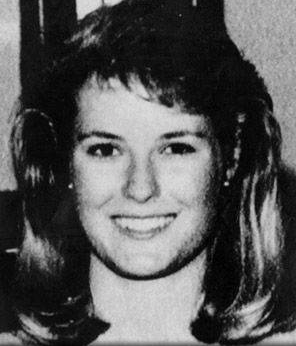
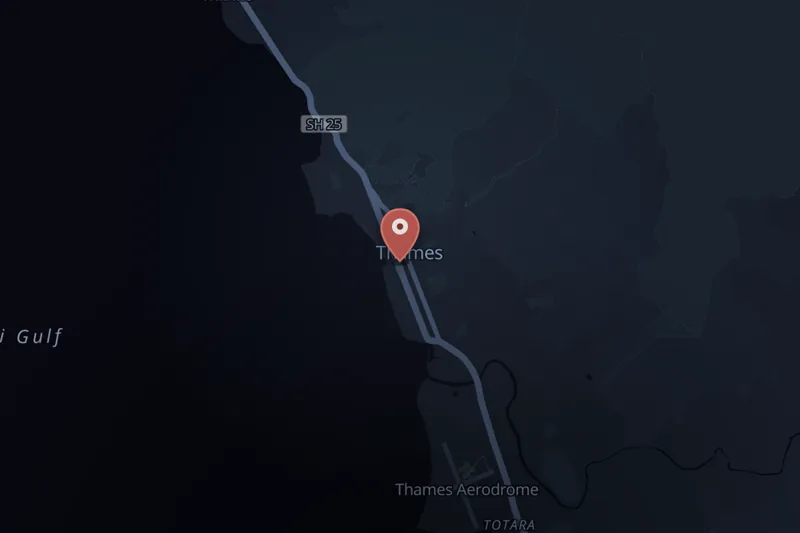
Sven Urban Höglin, 23, and his fiancée Heidi Birgitta Paakkonen, 21, Swedish tourists from Storfors, Värmland County, went missing on 8 April 1989 while walking in bush near Thames on New Zealand's Coromandel Peninsula. They were reported missing in May 1989, prompting a major investigation known as Operation Stockholm. Police, local residents, search-and-rescue teams, and military personnel conducted what has been described as the largest land-based search undertaken in New Zealand, centred on an area called Crosbie's Clearing.
David Wayne Tamihere, born 1953, was linked to the couple after one of three tourists he had given a lift to recognised photographs of the couple's white Subaru, which Tamihere admitted taking from Tararu Creek Road. Tamihere had a prior manslaughter conviction from 1972 and had pleaded guilty to a 1986 rape while fleeing on bail, during which time he was living in the Coromandel bush. He was arrested on the rape charge on 24 May 1989 and was later charged with the couple's murder.
At trial in October 1990, the Crown's case relied largely on circumstantial evidence, including disputed eyewitness identification from two trampers and testimony from three prison inmates who said Tamihere had confessed to the killings while in prison. Tamihere was found guilty of murder and theft in December 1990 and sentenced to life imprisonment with a ten-year non-parole period.
In October 1991, Höglin's skeleton was found near Whangamatā, 73 km from the alleged murder site, still wearing a watch police had claimed at trial Tamihere gave to his son — contradicting key prosecution testimony. Tamihere's subsequent appeals in the 1990s, including to the Court of Appeal in 1992 and for leave to the Privy Council in 1994, were unsuccessful. Paakkonen's body has never been found.
One of the prison informants, later identified as Robert Conchie Harris, swore an affidavit in 1995 retracting his trial testimony, alleging police had directed him and offered money and parole assistance. Harris later tried to withdraw the affidavit but was ultimately convicted on eight counts of perjury in 2017 following a private prosecution; he died in prison in September 2021. In 2023, Bob Jones stated that the late lead detective, John Hughes, had told him he fabricated evidence against Tamihere.
Tamihere was released on parole in November 2010 after twenty years in prison and has continued to maintain his innocence. In April 2020 he received a royal prerogative of mercy, allowing a further Court of Appeal hearing in November 2023. In July 2024, the Court of Appeal found the informant evidence should not have been admitted and that this constituted a miscarriage of justice, but concluded there remained sufficient evidence to be satisfied of guilt beyond reasonable doubt, and upheld the conviction. On appeal, the Supreme Court of New Zealand released a decision on 31 March 2026 overturning the Court of Appeal and quashing Tamihere's convictions, citing the unfair use of jailhouse informant evidence and concerns about changes to the Crown's case after Höglin's remains were discovered; Tamihere was freed but remains subject to the original murder charges while the Crown, given until 30 September 2026, decides whether to seek a retrial.

 Credit: Unknown, likely New Zealand policePublic domainSourceSOLVEDListen