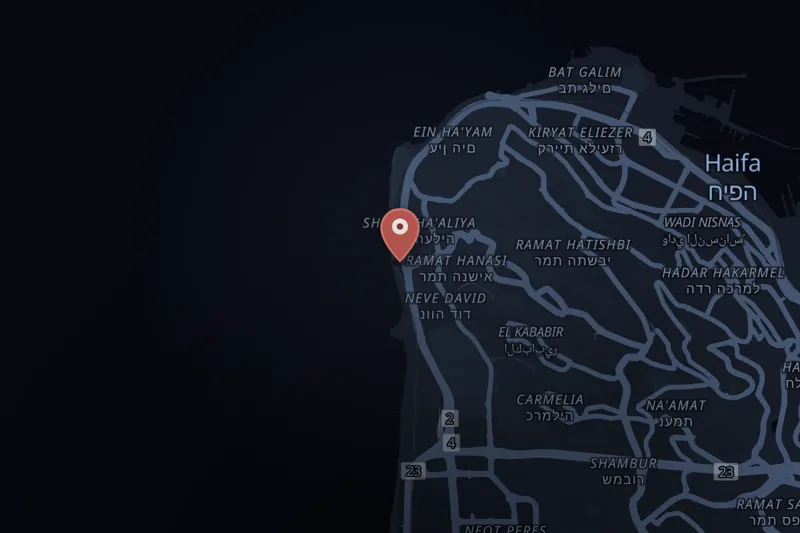
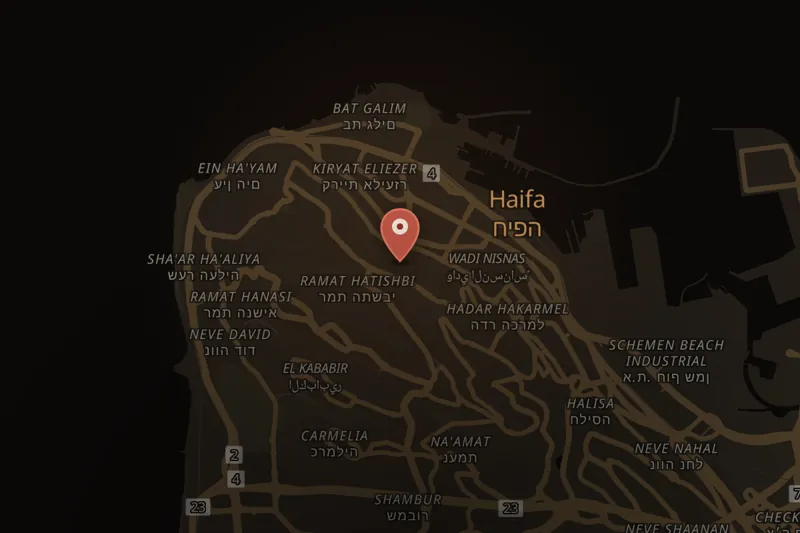
On October 4, 2003, at approximately 14:10, a suicide bomber detonated an explosive device inside the Maxim restaurant, a beachfront establishment near the south entry to Haifa, Israel. The restaurant was co-owned by Jews and Christian Arabs and was widely regarded as a symbol of coexistence, frequented by both Arab and Jewish customers. Twenty-one civilians were killed — 18 Jews and 3 Arabs — and 60 others were wounded. Among the dead were members of two families and four children, including a two-month-old baby. Three officials of the Maccabi Haifa football club were lightly injured in the attack.
The bomb reportedly contained metal fragments packed around its explosive core, increasing its destructive effect. According to Haifa police sources, the blast caused severe casualties throughout the restaurant and left the bomber difficult to identify.
The bomber was identified as 28-year-old Hanadi Jaradat, from Jenin, described as the sixth female suicide bomber of the Al-Aqsa Intifada and the second woman recruited by the militant group Islamic Jihad, which claimed responsibility for the attack. At the time, Jaradat was a law student nearing qualification as a lawyer. Reporting citing Arab and Israeli sources indicated that her fiancé had been killed by Israeli security forces years earlier, and that she agreed to carry out the bombing after Israeli undercover operatives in Jenin killed her cousin and younger brother, both of whom were accused by Israeli forces of being Islamic Jihad operatives.
In the aftermath, the Israeli Army demolished the Jaradat family home along with the homes of two uninvolved neighbors. Israel stated the attack had been planned from Islamic Jihad's Damascus headquarters, and in response Israeli Air Force jets bombed an alleged training camp in Ain es-Saheb, Syria. An Israeli-Arab man from Umm al-Fahm was arrested within hours for driving the bomber to her destination and was later indicted as an accessory to murder. On November 7, 2003, Israeli forces arrested a senior Islamic Jihad militant accused of planning the attack, during an operation in Jenin that also resulted in the shooting death of a Palestinian teenager and injuries to three other Palestinians.
Palestinian President Yasser Arafat condemned the bombing, while Israeli Prime Minister Ariel Sharon held Arafat responsible. U.S. President George W. Bush condemned the attack. The bomber's father publicly expressed pride in his daughter's actions rather than accepting condolences. The restaurant's interior, destroyed in the blast, was rebuilt and reopened within several months, and a memorial to the victims was later erected near the site.

 SOLVEDListen


