
Unsolved case
Peruvian prison massacres
On June 18–19, 1986, Peruvian security forces put down coordinated riots by prisoners in three Lima-area prisons, killing at least 224 to 300 people, with government findings later concluding many were extrajudicially executed after surrendering.
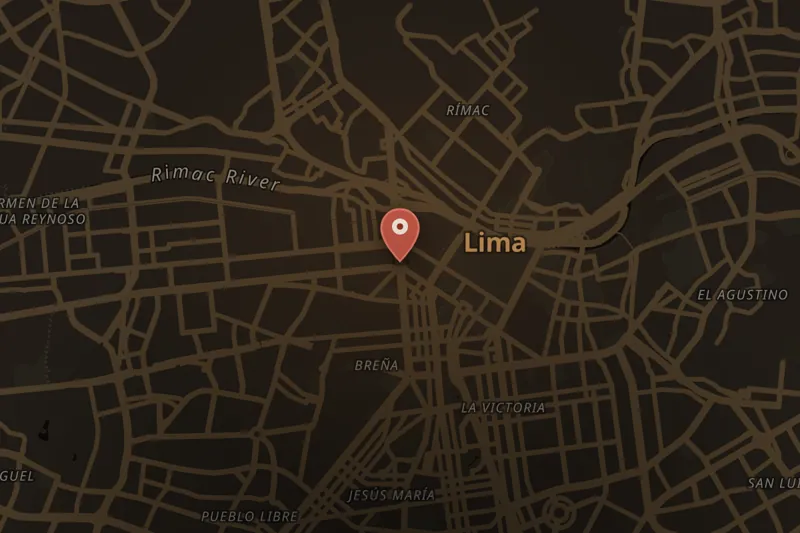
On June 18–19, 1986, prisoners rioted at the Lurigancho, Santa Bárbara (Santa Mónica women's prison), and El Frontón prisons in Lima and Callao, Peru. The military and police response to these riots resulted in at least 224 to 300 deaths.
The riots occurred during the presidency of Alan García, who had taken office in 1985 pledging to reduce human rights violations tied to the state's campaign against the Shining Path insurgency. Despite this stated aim, his government authorized a forceful retaking of the prisons. The riots began around 6:00 AM on June 18, 1986, with prisoners at San Juan de Lurigancho, El Frontón, and Santa Mónica taking guards and three journalists hostage and demanding the release of 500 people imprisoned on terrorism charges. An emergency cabinet meeting was held that morning, and by early afternoon the Minister of the Interior, Abel Salinas, warned that the prisons would be retaken by force if prisoners did not surrender. The same day, the Shining Path carried out a separate wave of attacks in Lima resulting in several deaths.
A government negotiating commission arrived at El Frontón in the late afternoon but failed to reach a resolution. At 6:00 PM the order was given to assault the prisons. The Republican Guard retook Santa Mónica within about two hours, with two deaths recorded. Just after midnight on June 19, the Peruvian Navy led an assault on El Frontón island prison, encountering protest from the prison's director, a judge, and the public prosecutor over the Navy's intervention. Three Navy personnel died in the initial assault; a subsequent attack by Naval Infantry on the "Blue Ward," where Shining Path members were held, resulted in the deaths of three more members of the armed forces, one hostage, and 135 prisoners. At Lurigancho prison, a joint Republican Guard and Army operation used explosives and heavy weapons against barricaded prisoners; after the guerrillas surrendered around 3:00 AM, most of the dead were found to have been executed with a shot to the back of the neck.
A U.S. State Department cable stated that at least 100 prisoners were summarily executed. The Peruvian government itself later concluded that all 124 rebellious prisoners at Lurigancho died, with no fewer than 90 determined to be victims of extrajudicial execution. The events generated significant national and international outrage. President García, visiting the scene, stated that either those responsible would go or he would, but no one was ultimately punished for the killings. Luis Giampietri, the naval officer who commanded the El Frontón operation, later became García's vice president. Congress approved an ad-hoc inquiry commission in August 1986, though disputes over its composition delayed its formation until August 1987; the resulting 13-member commission became split between factions critical of and loyal to the government.
Key facts
- Victims
- On file
- Date
- 1986
- Location
- Lurigancho, Santa Bárbara/Santa Mónica, and El Frontón prisons, Lima/Callao, Peru
- Case status
- unsolved
Case timeline
1985
Alan García begins his presidential term, initially signaling intent to reduce human rights violations in the counter-insurgency campaign against the Shining Path.
1986-06-18
Prisoners riot at Lurigancho, El Frontón, and Santa Mónica prisons in Lima and Callao, taking hostages and demanding release of 500 people imprisoned for terrorism; emergency cabinet session held; Shining Path launches separate attacks in Lima.
1986-06-18
Government negotiating commission arrives at El Frontón at 4:30 PM but fails to resolve the standoff; at 6:00 PM the order is given to assault the prisons.
1986-06-19
Republican Guard retakes Santa Mónica women's prison with two deaths; Navy assault on El Frontón begins after midnight; Naval Infantry attack on the 'Blue Ward' kills 135 prisoners, three armed forces members, and one hostage; Lurigancho assault ends around 3:00 AM with most prisoners found executed.
1986-08
Peruvian Congress approves formation of an ad-hoc commission of inquiry into the massacres.
1987-08
Composition of the 13-member congressional inquiry commission is finally agreed after a year of political negotiation.
Best coverage
No coverage has been attached to this file yet.
People
Agustín Mantilla
LAW ENFORCEMENTVice-minister of the Interior who announced that El Frontón island had been declared a restricted military zone under Armed Forces control during the assault.
Luis Giampietri
LAW ENFORCEMENTNaval officer who commanded the assault operation on El Frontón prison; later became Alan García's vice president.
Abel Salinas
LAW ENFORCEMENTMinister of the Interior who announced the government's threat to retake the prisons by force if prisoners did not surrender.
Roles reflect public records and court outcomes at the time of writing — supporting citations are on file under Sources.
Places
Common questions
- What happened to the victim?
- On June 18–19, 1986, Peruvian security forces put down coordinated riots by prisoners in three Lima-area prisons, killing at least 224 to 300 people, with government findings later concluding many were extrajudicially executed after surrendering.
- Where did the crime happen?
- Lurigancho, Santa Bárbara/Santa Mónica, and El Frontón prisons, Lima/Callao, Peru.
- What is the current status of the case?
- Status: unsolved.
Related cases
View all cases
Frecuencia Latina bombing
Frecuencia 2 headquarters, Jesús María, Lima, Peru
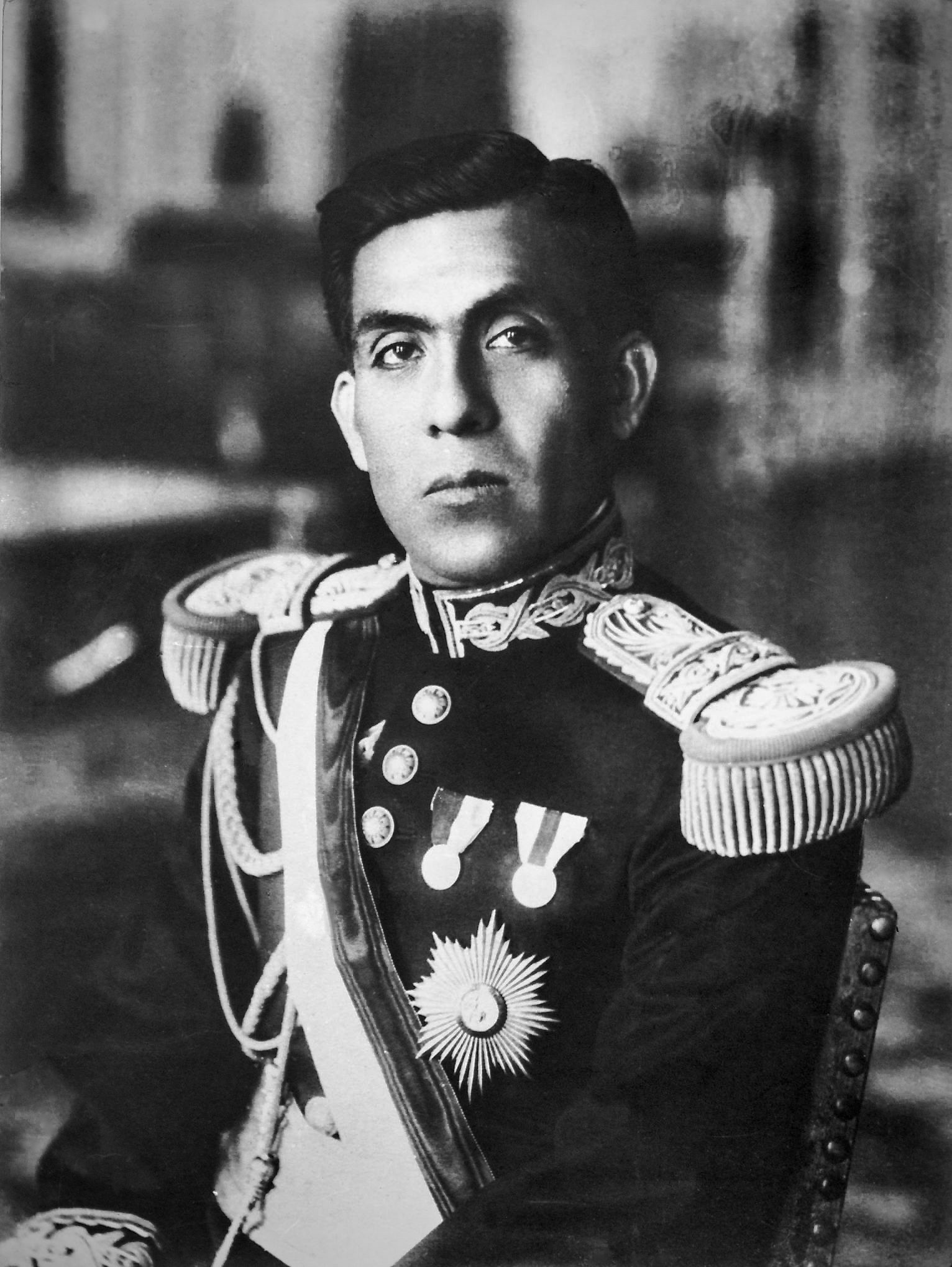
Assassination of Luis Miguel Sánchez Cerro
Santa Beatriz Hippodrome (now Campo de Marte), Santa Beatriz, Lima, Peru

Japanese Embassy Hostage Crisis
Japanese Ambassador's Residence, San Isidro District

1983 Beirut Barracks Bombings
Beirut International Airport and Ramlet al Baida, Beirut, Lebanon

Black July: The 1983 Anti-Tamil Pogrom in Sri Lanka
Colombo, Sri Lanka (violence also occurred nationwide including Jaffna, Kandy, Trincomalee, Badulla, and Nuwara Eliya)
Deal barracks bombing
Royal Marine Depot, Deal, Kent, England
Sources
- ENCYCLOPEDICPeruvian prison massacresWikipedia · 2026-07-07
- PRESSContemporaneous coverage — gwu.edugwu.edu · 2026-07-07
- PRESSContemporaneous coverage — cverdad.org.pecverdad.org.pe · 2026-07-07
Record history
- First published
- JUL 07, 2026
When a file you follow changes — a new development, a correction, fresh coverage — the Dispatch is how you hear about it.
The Casepin Dispatch
A calm weekly briefing from the archive — one case worth understanding, meaningful updates to files you follow, and the best new coverage. You’ll also get the one-time note when the apps land. No gore, no rumor, no drip.