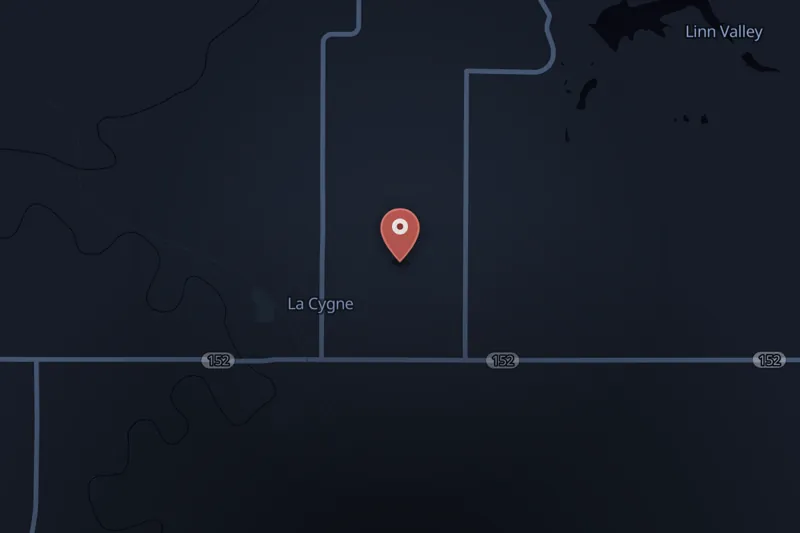
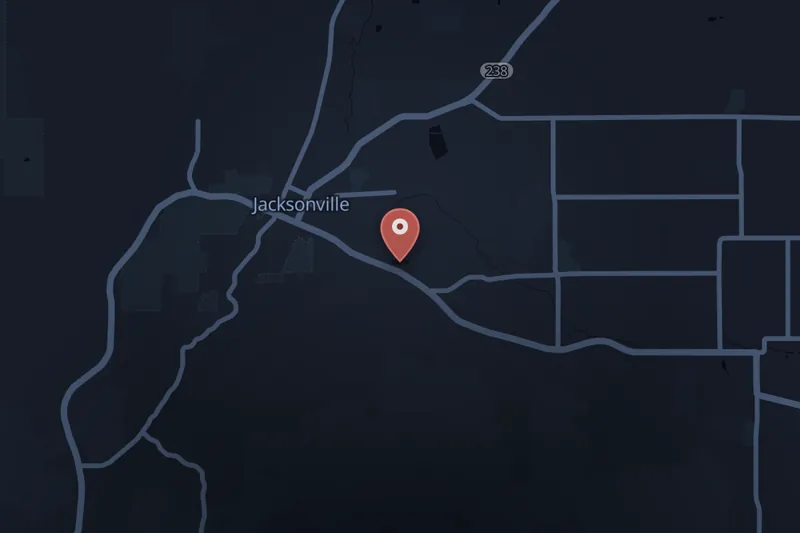
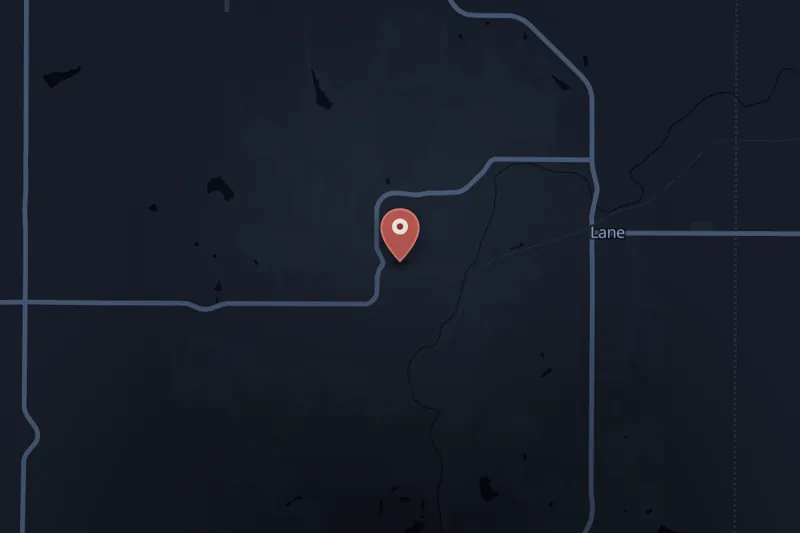
The Pottawatomie massacre took place on the night of May 24–25, 1856, in Franklin County, Kansas Territory, during the period of sectional violence known as "Bleeding Kansas." The killings occurred in the aftermath of the May 21 sacking of Lawrence by a pro-slavery posse led by Douglas County Sheriff Samuel Jones, which destroyed two abolitionist newspaper offices, the fortified Free State Hotel, and the home of free-state militia leader Charles Robinson. Two days before the massacre, John Brown also learned of the caning of Massachusetts Senator Charles Sumner by Congressman Preston Brooks on the floor of Congress. According to his son Salmon Brown, this news was "the finishing, decisive touch" that preceded the attack.
On May 23, 1856, John Brown selected a small party for a private expedition, separate from the larger Free State company commanded by his son John Brown Jr. The group consisted of Brown, four of his sons — Frederick, Owen, Salmon, and Oliver — along with Thomas Wiener and James Townsley, the latter of whom later claimed he had been forced by Brown to participate. After camping near the timber for a day, the party set out after dark on May 24. They first went to the home of James P. Doyle, taking him and his two adult sons, William and Drury, as prisoners; a third Doyle son, 16-year-old John, was spared after his mother pleaded for his life. The three Doyle men were killed with broadswords by Owen and Frederick Brown, with John Brown Sr. firing a final shot into James Doyle's head. The party then went to the home of Allen Wilkinson, who was killed by Henry Thompson and Theodore Wiener, possibly assisted by Brown's sons. Crossing the Pottawatomie Creek, they forced entry into James Harris's cabin, where William Sherman — brother of pro-slavery activist Henry "Dutch Henry" Sherman — was taken to the creek and killed with swords by Wiener, Thompson, and Brown's sons. Other men present, including Harris and Jerome Glanville, were questioned but released. The group ended their expedition after learning their intended target, "Dutch Henry" Sherman, was not at home.
In the two years prior to the massacre, eight killings in Kansas Territory had been attributed to slavery-related political violence, none near the massacre site. The Pottawatomie killings were followed by roughly three months of intensified retaliatory violence in the territory, during which 29 people died. A contemporary historian, William G. Cutler, described the event as the "crowning horror" of the Bleeding Kansas period. Abolitionist Frederick Douglass called it "a terrible remedy for a terrible malady." A congressional committee investigating Kansas Territory violence later identified Brown as the chief perpetrator, although following his 1859 raid on Harpers Ferry, portions of the abolitionist press denied his involvement, and his early biographer James Redpath denied Brown's presence at the killings. Kansas Governor Charles Robinson and Senator John James Ingalls offered differing assessments of the act's justification and impact in later public statements.

 Credit: OmnedonPublic domainSourceSOLVEDListen