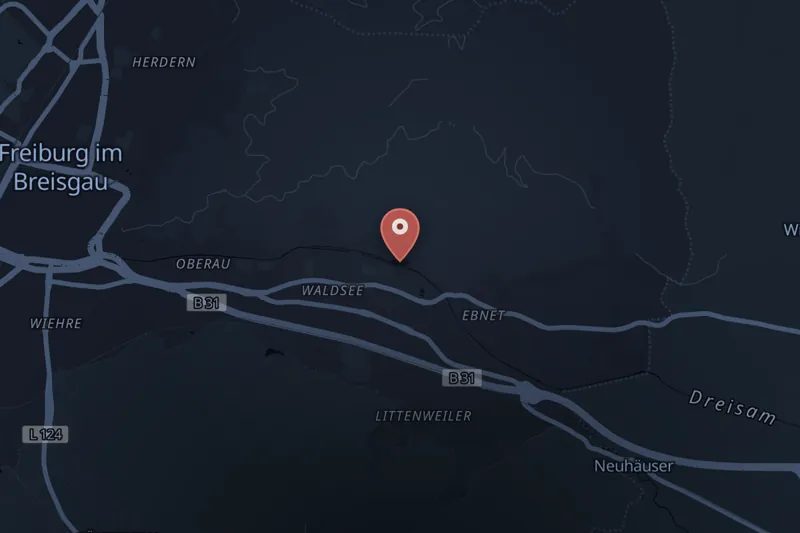
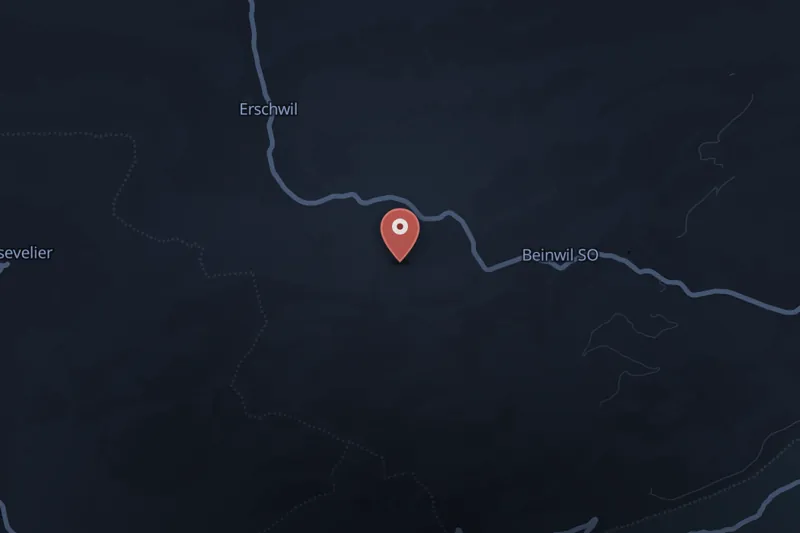
On 5 June 1976, five people were shot and killed at a weekend house named "Waldeggli," located on a meadow at the forest edge near Seewen, in the canton of Solothurn, Switzerland. The victims were Elsa Clara Siegrist-Säckinger (62), her husband Eugen Siegrist-Säckinger (63), Eugen's sister Anna Westhäuser-Siegrist (80), and Anna's two sons, Emanuel Westhäuser (52) and Max Westhäuser (49). A Winchester rifle was used, and 13 rounds were fired in total.
The crime was discovered on 6 June 1976, by the daughter of two of the victims. Police found four bodies inside the house, with a fifth wrapped in a carpet on the terrace. Investigators have suspected that only Elsa and Eugen Siegrist-Säckinger were the intended targets, and that the perpetrator killed the other three victims after being surprised by their presence.
The criminal investigation department pursued many leads, including a systematic search for owners of Winchester rifles, but the case went unsolved for two decades. In autumn 1996, a Winchester rifle — an Italian-made imitation with a short barrel — was found hidden inside the kitchen wall of a house belonging to a woman named Doser. The weapon was identified as the one used in the killings and was traced to Carl Doser, described as a loner living in Basel who had legally purchased the rifle in 1973. Doser had previously been interviewed by police and had falsely claimed he had sold the gun at a flea market. He was not charged, as investigators could not establish a clear motive or any documented connection between him and the victims.
A second person, Adolf "Johnny" Siegrist, a relative of the murdered couple, was also examined as a possible suspect after an acquaintance, Hans Blaser, alleged that Johnny had asked him for a machine pistol and suggested Doser may have assisted him. Ammunition matching what could have been used in the crime was reportedly purchased three weeks beforehand at a Basel shop by a customer asking about compatibility with an Italian Winchester rifle, and who said he was buying it for someone else. Johnny was described as occasionally irascible, and shot-through styrofoam heads were found in his flat. Investigators speculated about a possible motive tied to old grievances, including belittling nicknames the victims had allegedly used for him. Johnny was arrested temporarily but was never charged, and he died in the mid-1980s.
The 30-year statute of limitations on the case expired in 2006, and the killings remain formally unsolved.


 SOLVEDListen