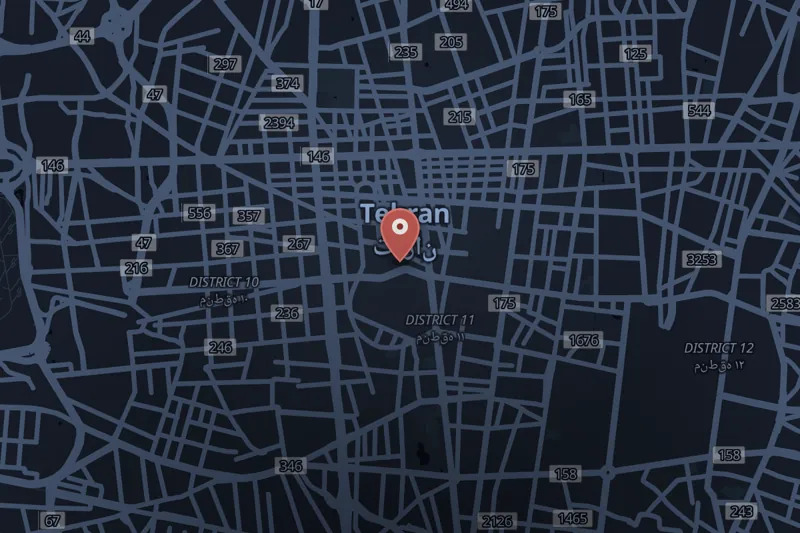
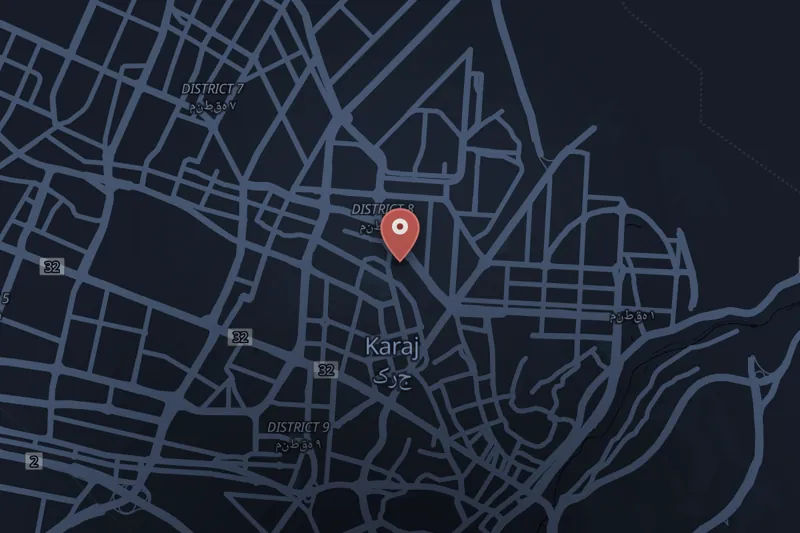
Erfan Soltani (born 1999), a resident of Fardis, Karaj, was arrested at his home on 8 January 2026 during the 2025–2026 nationwide anti-government protests in Iran. Opposition groups and human rights organizations reported that he had been charged with "waging war against God" (moharebeh), a capital offense under Iranian law, and that his execution was scheduled to be carried out by hanging on 14 January 2026. Human rights organizations stated that Soltani had been denied legal representation and had not received a trial before the sentence was reportedly imposed.
Iranian judicial authorities disputed these reports, stating that Soltani had instead been charged with "colluding against national security" and "propaganda activities against the establishment," offenses that Iranian officials said do not carry the death penalty. On 15 January 2026, the Iranian judiciary described foreign media reports of an impending execution as a "fabrication," according to the state broadcaster IRIB. That same day, The Guardian reported that Soltani's execution had been postponed, citing a family member living abroad as its source.
The protests that led to Soltani's arrest began on 28 December 2025 in Tehran amid economic hardship and spread to all 31 of Iran's provinces, accompanied by anti-government slogans and calls for regime change. The government responded with what has been described as a violent crackdown, including mass arrests and the use of live ammunition against protesters, compounded by an internet and phone blackout that made casualty figures difficult to verify; reported estimates of deaths ranged from 2,000 to 20,000. Nobel Peace Prize laureate Shirin Ebadi characterized the killings as a planned "massacre under the cover of a sweeping communications blackout." Iranian authorities have used the term moharebeh to characterize protest activity, and officials including Supreme Leader Ali Khamenei and attorney general Mohammad Movahedi Azad made public statements warning that protesters could face severe punishment, including death.
According to the human rights organization Hengaw, Soltani met with his family on 16 January 2026 and was reported to be in good health. By 2 February 2026, he was reported to have been released; other reporting indicates he was released on bail of two billion tomans (approximately $12,600 at the time) on 31 January 2026.
Soltani's case drew international attention, including a statement from U.S. President Donald Trump warning Iran of "very strong action" over the matter. Organizations including Amnesty International and Iran Human Rights called on Iran's authorities to halt executions connected to the protests, and groups such as Hengaw and Iran Human Rights described Soltani's case as illustrative of the use of expedited legal procedures and severe sentencing to deter dissent during the unrest.

 UNSOLVEDListen