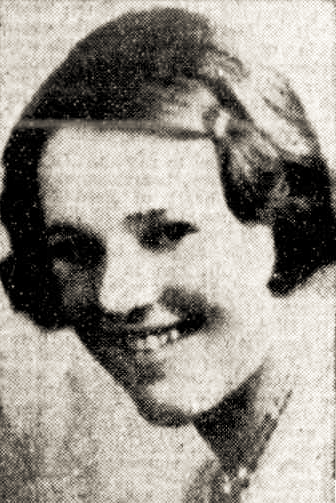
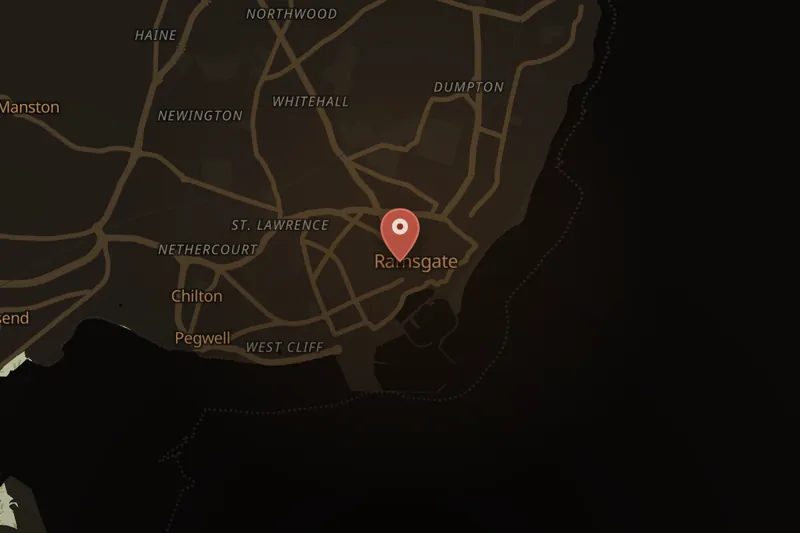
Margery Wren (1850–25 September 1930) was born in Broadstairs and worked for decades as a maidservant in London before inheriting a sweetshop at 2 Church Road, Ramsgate, from a relative in the 1890s. She ran the shop with her sister Mary Jane until Mary Jane's death in 1927, after which Margery continued alone. Neither sister had married.
On the day of the attack, several people visited the shop, including Albert Williams, who complained to her about his nephew's lodging arrangements, local schoolchildren buying sweets, a coalman named Reuben Beer, and an unidentified woman wearing a red hat. Margery was attacked around 5:30pm. Shortly after 6pm, a customer named Ellen Marvell found the shop shut and, after knocking, was met by Margery, who was bleeding heavily from a head wound but still served her. Ellen's father later came to the shop, found Margery unconscious, and summoned a doctor and police. On regaining consciousness, Margery initially claimed she had fallen, but her doctor, Richard Archibald, identified injuries consistent with repeated blows from a blunt instrument — later confirmed to be fire tongs found with bloodstains at the scene. Margery told the doctor she had been assaulted by a man but was reluctant to have his identity revealed.
Margery was taken to Ramsgate hospital, where she survived five more days, giving confused and inconsistent accounts, including varying names and numbers of attackers. She refused to make a formal statement to a magistrate, stating she did not wish her attacker to suffer for his actions, and the local vicar could not persuade her to name him. Scotland Yard's Chief Inspector Walter Hambrook took over the investigation, arriving on 24 September, by which time Margery had lapsed into a coma. She died the next day.
Hambrook's investigation examined multiple leads, including two elderly cousins named as beneficiaries in her will (ruled out due to physical incapacity), one cousin's son who was a police constable with no evidence against him, a prisoner named John Lambert whose confession was discredited, Albert Williams (cleared), and Arthur Hamelyn, a butcher's assistant (who had an alibi). Margery had also repeatedly named "Hope" as her attacker, leading police to investigate several men of that surname, including one elderly man whose sons had alibis. Police files identify Charles Ernest Hope, a young former soldier with a criminal record who was in the Ramsgate area around the time of the murder and had unexplained bloodstains on his clothing, as a possible suspect, though he was never formally named as a suspect or charged.
An inquest, opened on 26 September 1930 and concluding on 24 October, heard pathological testimony from Bernard Spilsbury and Dr. Gerard Roche Lynch that Margery had been gripped by the throat and beaten with fire tongs. The woman in the red hat was never identified despite a police appeal. The inquest returned a verdict of murder by a person or persons unknown, and no one was ever charged in connection with her death.

 Credit: Nick SmithCC BY-SA 2.0SourceUNSOLVEDListen